

Software, Memory, Gold & AI
Weekly Breakdown for the Week of August 3-7, 2026

Software Makes a Comeback
One of the more notable shifts this earnings season has been the market’s renewed appetite for software, particularly companies with strong AI exposure and improving fundamentals.
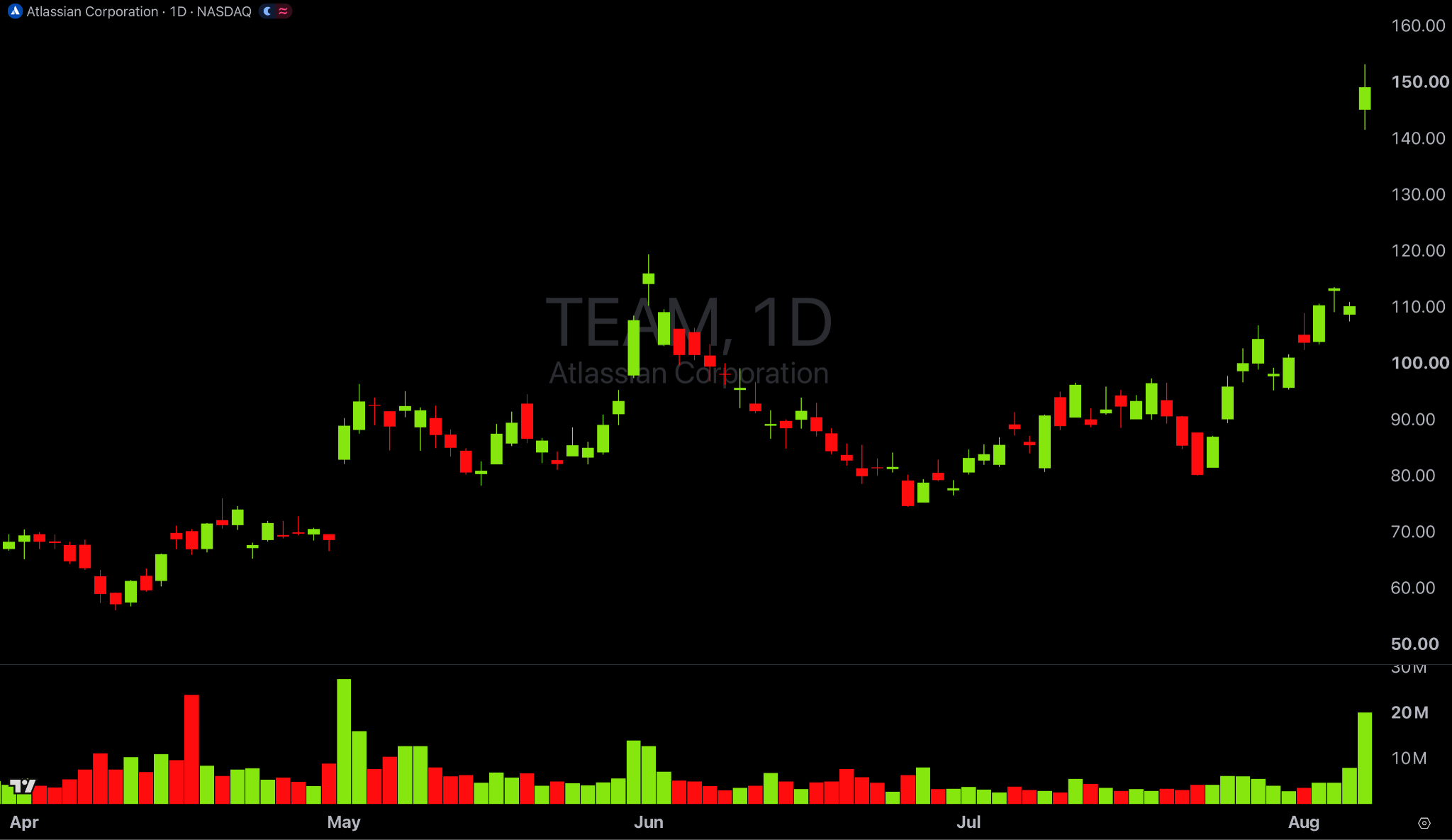
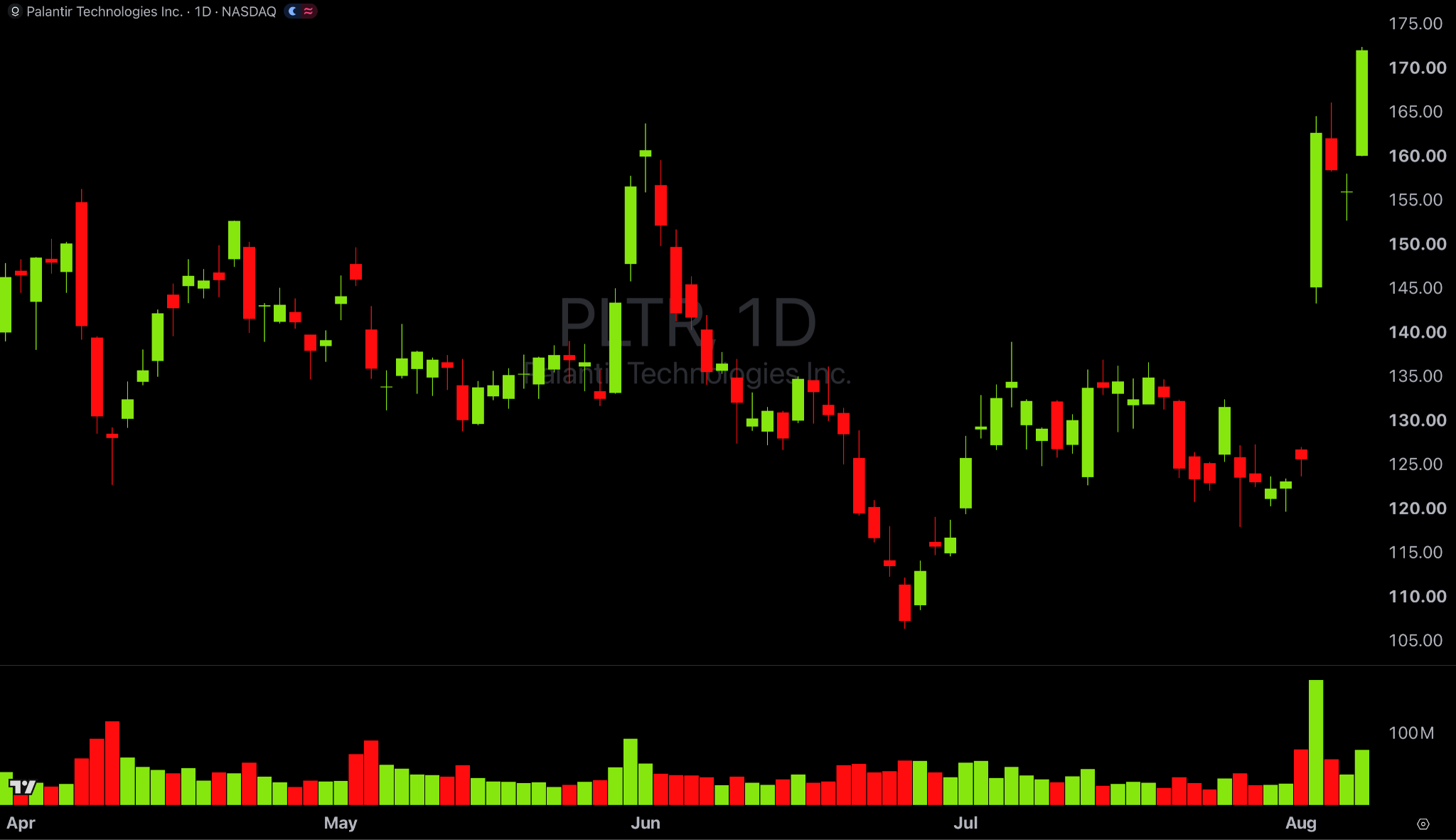
Palantir (PLTR) was one of the clearest examples after its latest results reinforced the strength of demand for its AI platform, while Atlassian (TEAM) exploded higher after its earnings report Thursday, highlighting how quickly investors are willing to reprice software when growth and AI monetization come through.
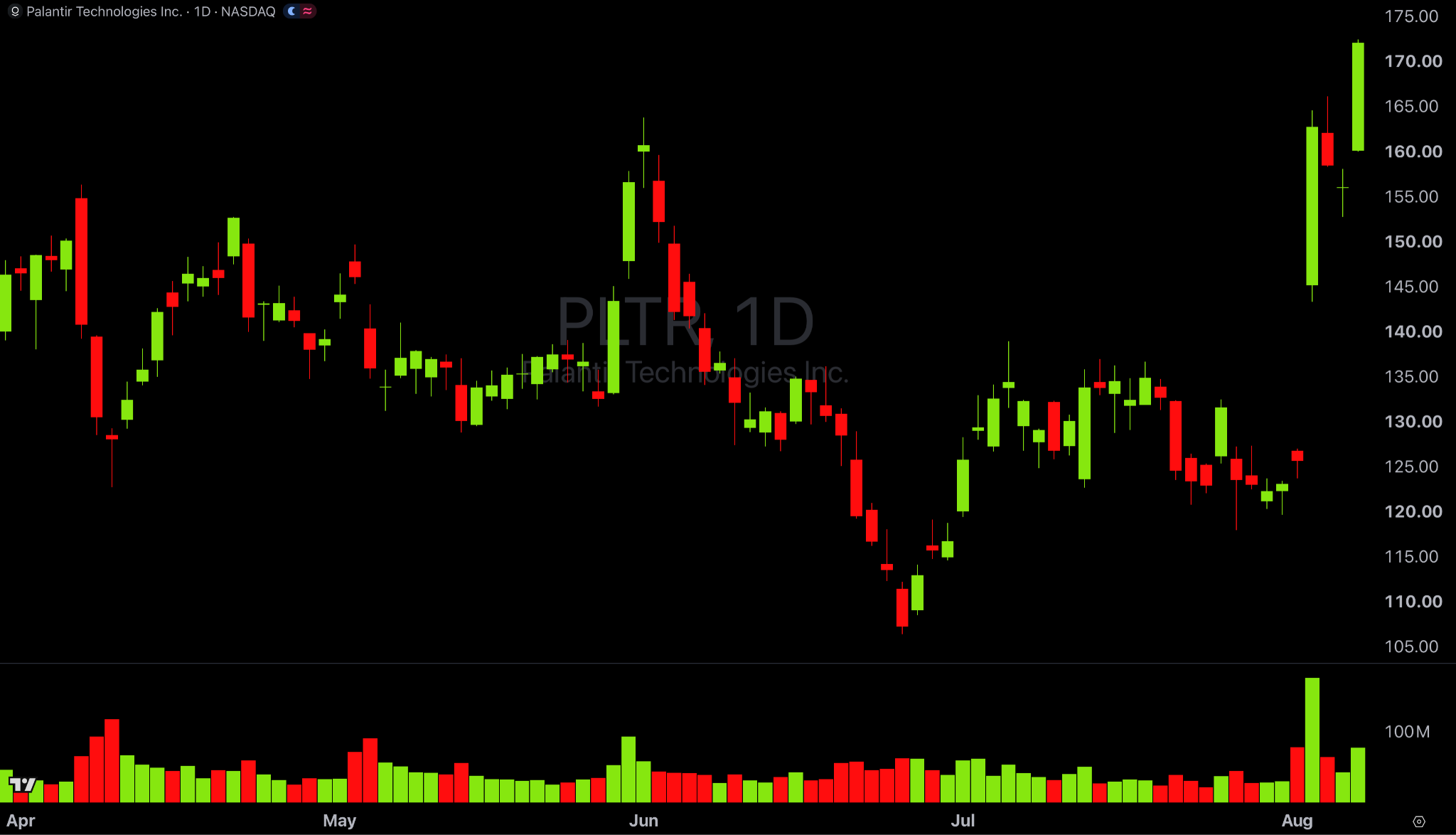
Atlassian reported its fiscal 2026 results after the close on August 6, while Palantir reported its Q2 results earlier in the week.
The moves are important because they come as some of the market’s biggest memory winners have started to lose momentum.
After months of capital chasing the AI hardware and memory trade, investors appear increasingly willing to rotate into the software layer of the AI buildout, where companies can generate recurring revenue without being as directly exposed to memory pricing and supply constraints.
Memory Trade Hits a Wall
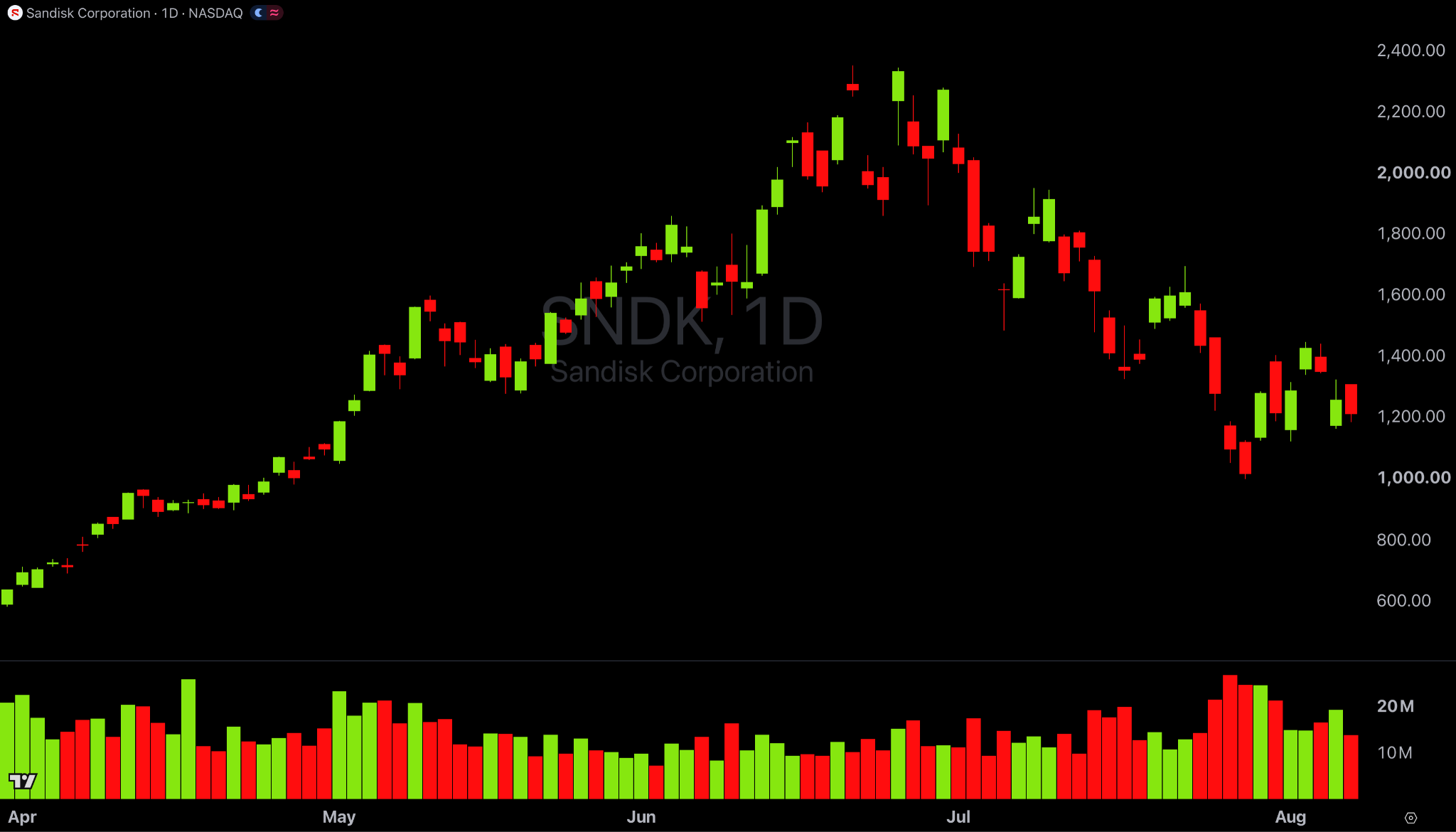
The memory trade delivered another major reality check this week as Sandisk (SNDK) sold off despite reporting exceptionally strong fiscal fourth-quarter numbers.
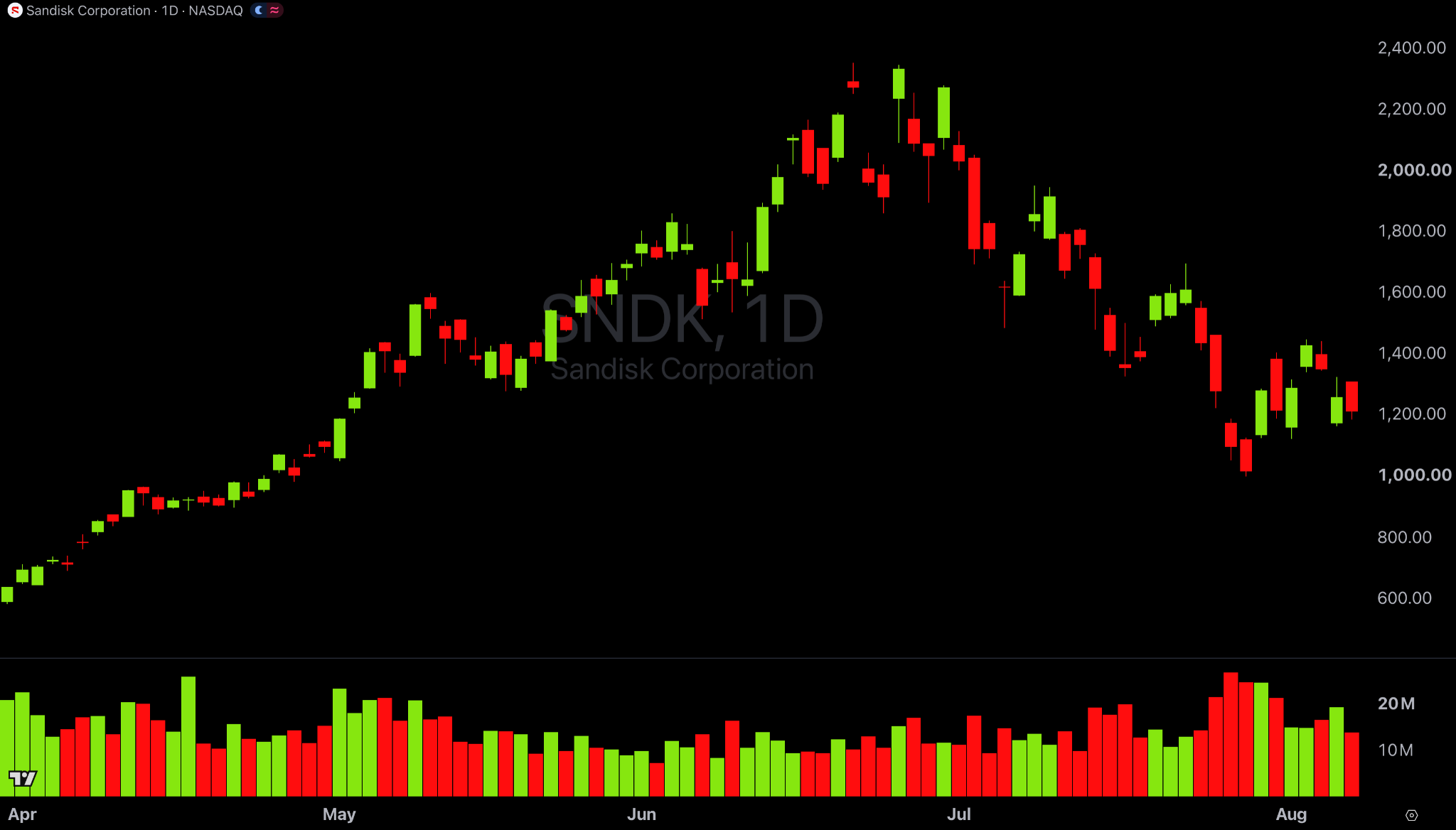
Sandisk posted $8.97 billion of revenue, up 372% year over year, with $39.25 in non-GAAP EPS and an 84.6% gross margin, but its initial fiscal Q1 guidance was not enough to satisfy expectations that had become extremely elevated.
The reaction spread throughout the sector, with Western Digital (WDC), SK Hynix (SKHY) and other memory names coming under pressure as investors questioned how much of the explosive AI-driven memory growth was already priced in.
At the same time, Friday brought another interesting development around SK Hynix, with the company announcing a $38.3 billion investment plan through 2031 focused on expanding DRAM, HBM and NAND capacity in South Korea.
There has also been growing attention around the possibility of SK Hynix exploring ways to expand its manufacturing footprint in China, although the more concrete announcement this week was the massive South Korean expansion.
The bigger takeaway is that the memory trade has moved from a simple scarcity story toward a much more complicated question of how long pricing power and extreme margins can remain elevated as manufacturers commit enormous amounts of capital to new capacity.
Jobs Finally Crack
Friday’s jobs report materially changed the near-term Fed narrative.
The U.S. economy unexpectedly lost 23,000 jobs in July, compared with expectations for an 80,000 increase, while May and June payrolls were revised down by a combined 103,000.
The unemployment rate actually fell to 4.1%, but that was largely because 264,000 people left the labor force, pushing participation down to 61.4%, its lowest level in roughly five and a half years.
Wage growth also slowed to 3.2% year over year.
The report is particularly important because the Fed had been leaning toward another rate hike as inflation remained above target, but a weakening labor market makes that decision much more difficult.
Markets responded by sharply reducing the probability of a September hike, with Reuters reporting that expectations fell to around 40% from 55% before the report.
The Fed still has inflation to contend with, so one weak jobs report does not guarantee a policy shift, but the data clearly gives policymakers more reason to pause rather than tighten.
The Yen Shock Ignites Gold
One of the biggest macro developments this week was the rare coordinated intervention by Japan and the United States to support the yen.
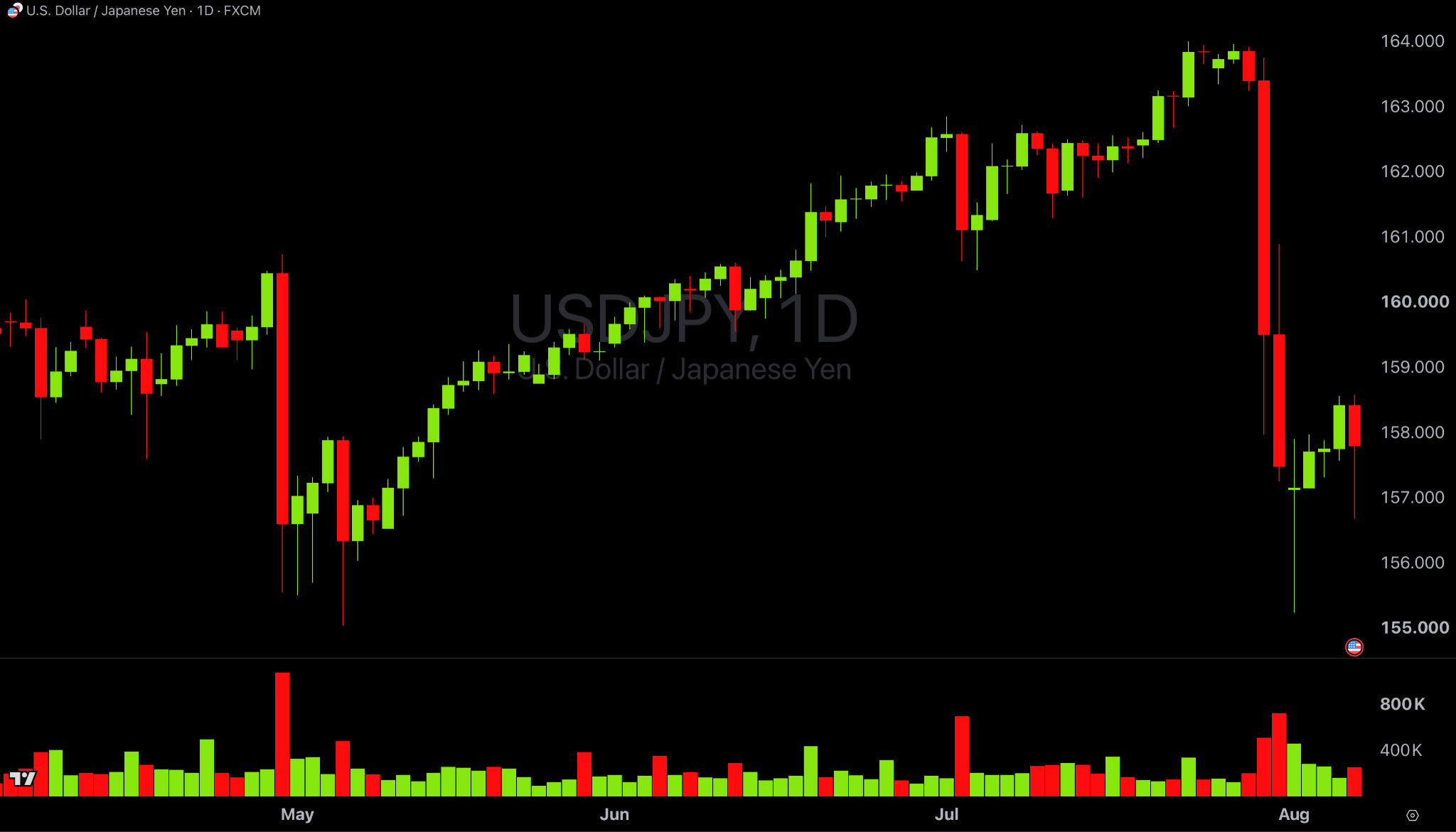
Japan was estimated to have spent as much as $36.6 billion buying its currency, while the U.S. Treasury took the unusual step of selling euros to buy yen rather than selling dollars, allowing Washington to support Japan without directly signaling that it wanted a weaker dollar.
The intervention came after the yen had fallen to around 40-year lows, driven in large part by the wide interest-rate differential between Japan and the U.S.
The move forced a rapid unwind of some yen weakness and disrupted crowded currency positioning, while also contributing to broader moves in the dollar and rates markets.
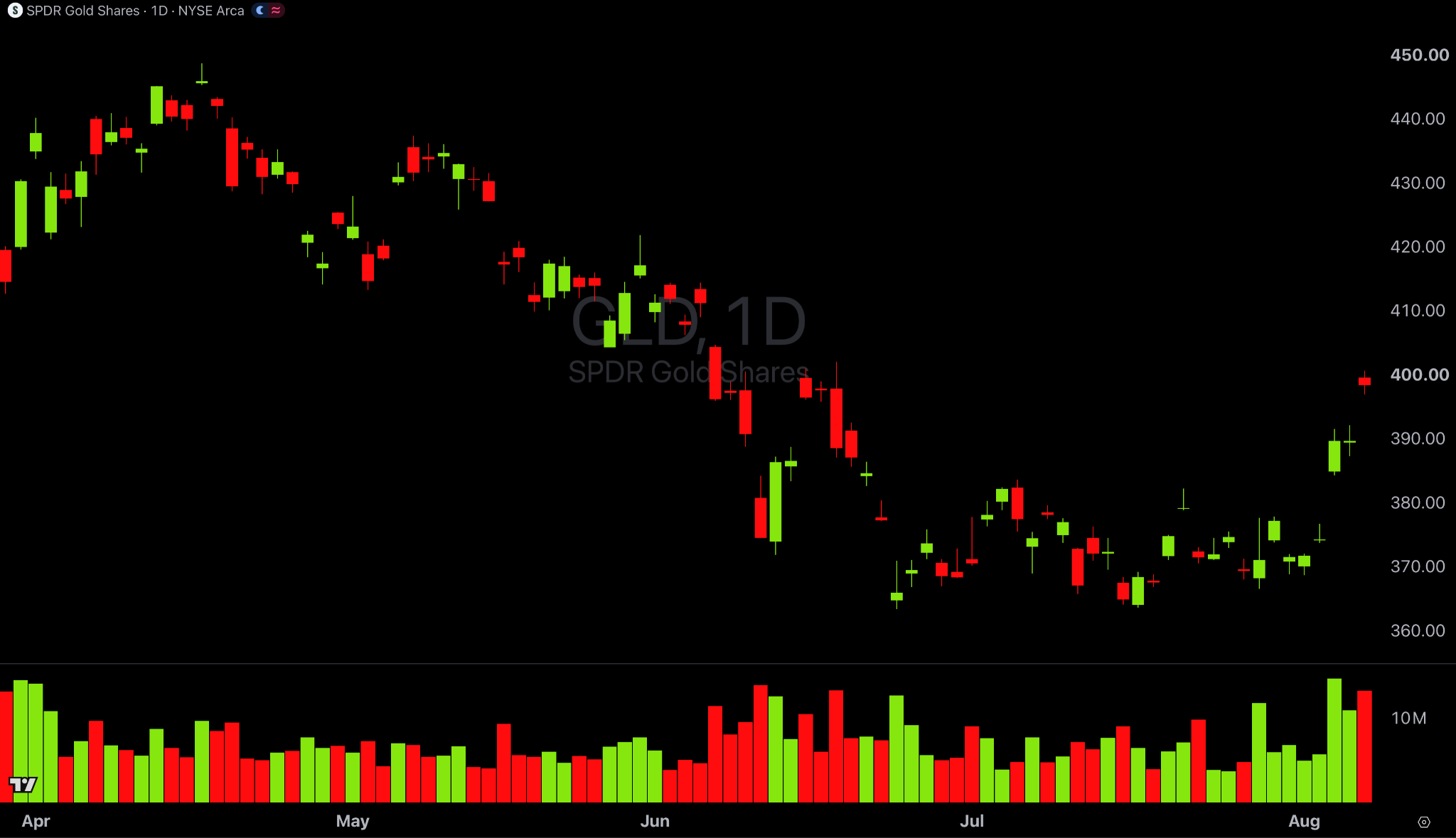
Gold benefited from the combination of a softer dollar, falling yields and growing expectations that the Fed may not hike again soon.
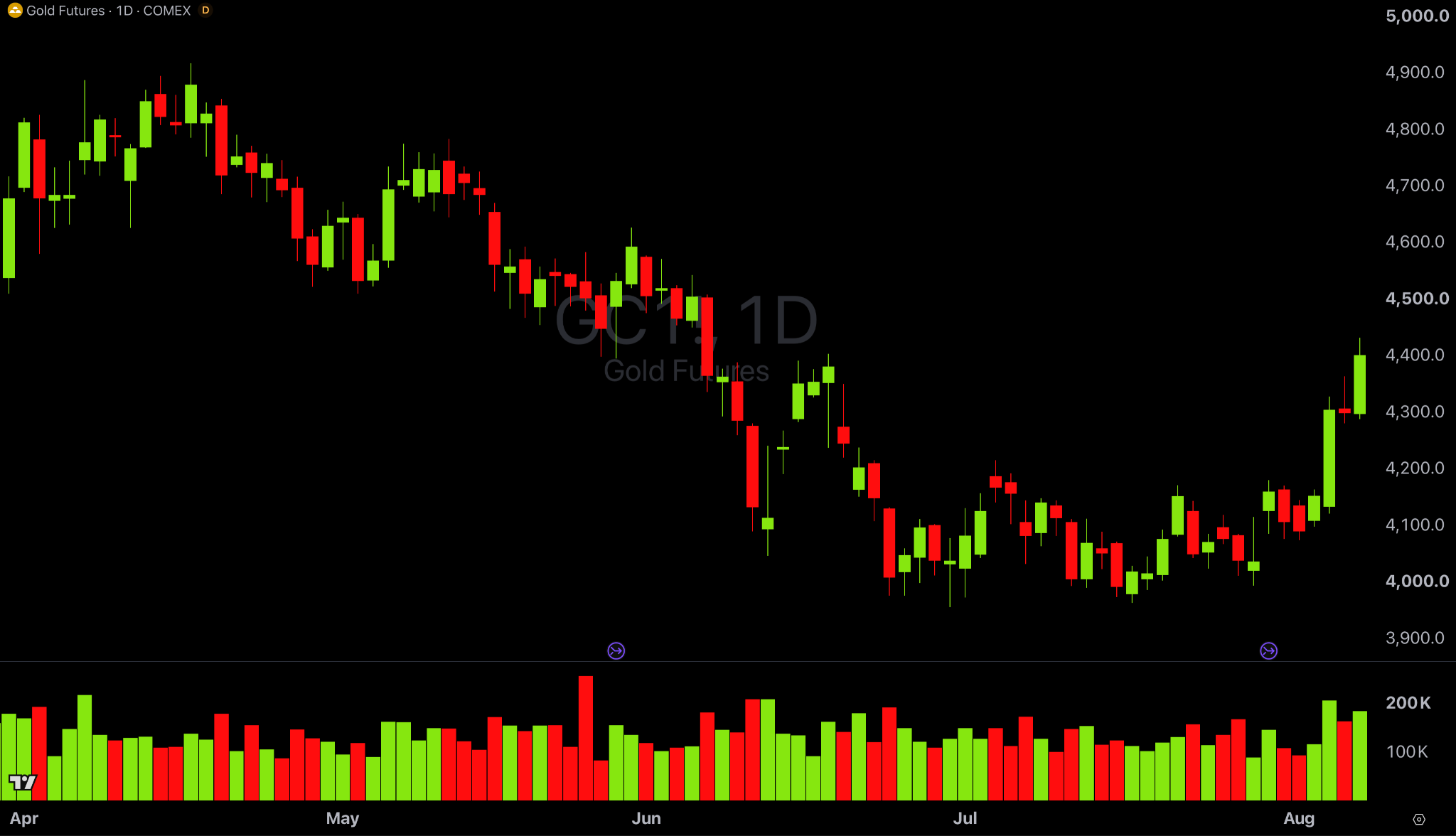
Reuters noted that gold posted its strongest daily gain in six months as lower oil prices and weaker labor data reduced expectations for additional Fed tightening.
SpaceX Defies the Unlock
SpaceX (SPCX) delivered one of the week’s most impressive technical moves by rallying sharply around earnings despite one of the biggest potential supply overhangs traders had been watching.
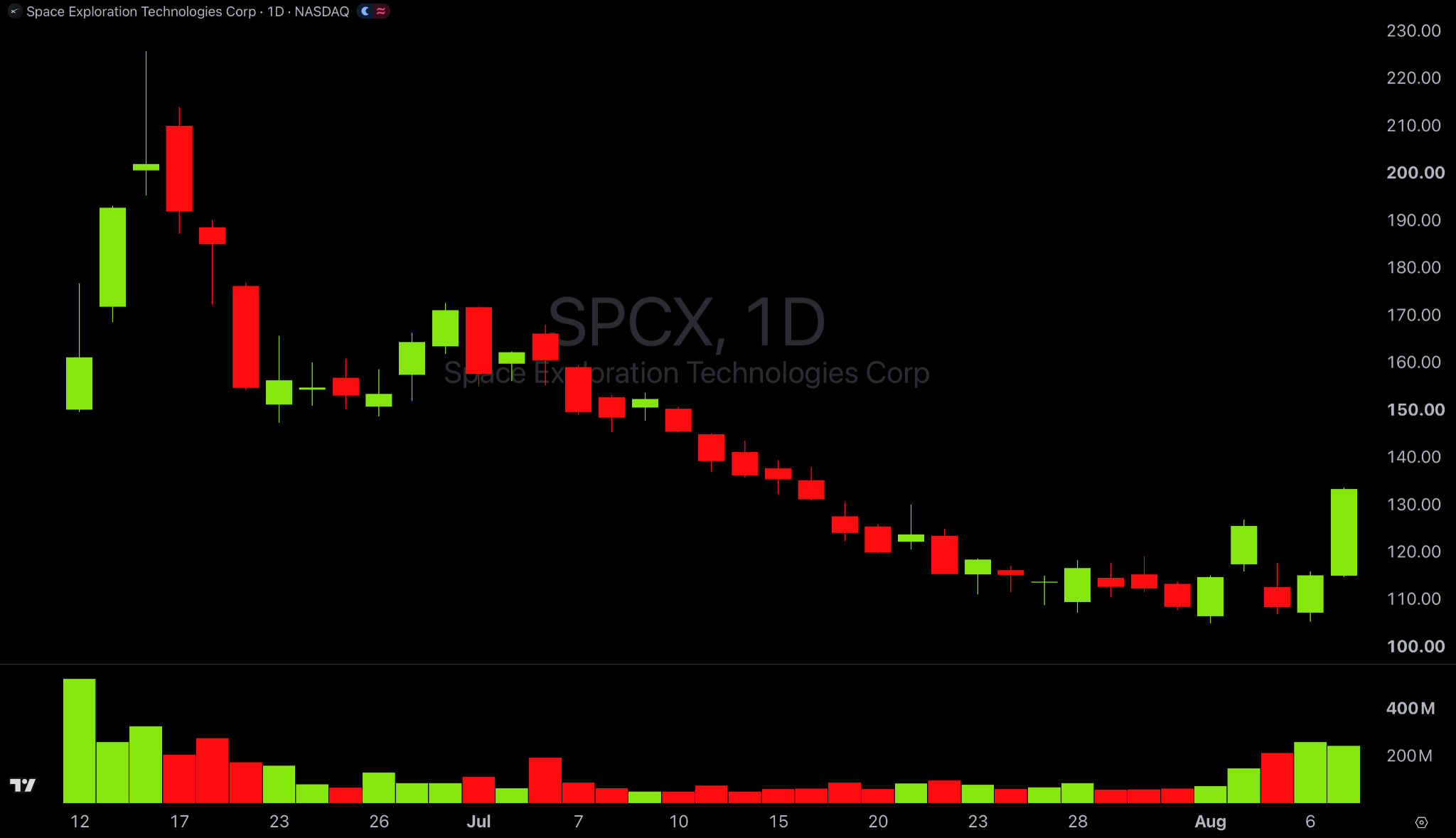
The company was heading into its first major lockup expiration, with roughly 911 million shares potentially becoming eligible to trade, creating widespread expectations that newly unlocked shares could overwhelm demand.
Instead, the stock absorbed the anticipated supply, and buyers stepped in aggressively, producing a squeeze as traders who had positioned for a breakdown were forced to cover.
The combination of earnings, heavy attention, options positioning and the lack of an immediate flood of selling created the perfect environment for a momentum move.
Washington Targets Chinese Optics
The U.S. government gave the optical infrastructure trade a major catalyst this week after Reuters reported that the Trump administration is drafting restrictions that could ban imports of new Chinese-made optical transceivers used inside data centers.
The FCC is reportedly working on the measure as part of a broader effort to secure the infrastructure supporting the AI buildout, with concerns including data theft, malware and the possibility of disruptions being embedded into critical data-center equipment.
The potential ban is significant because Chinese manufacturer Zhongji Innolight has an estimated 27% share of the global market, meaning removing Chinese suppliers from the U.S. market could create a meaningful opening for domestic and allied suppliers.
Shares of Applied Optoelectronics (AAOI) immediately reacted, jumping roughly 18% following the report.
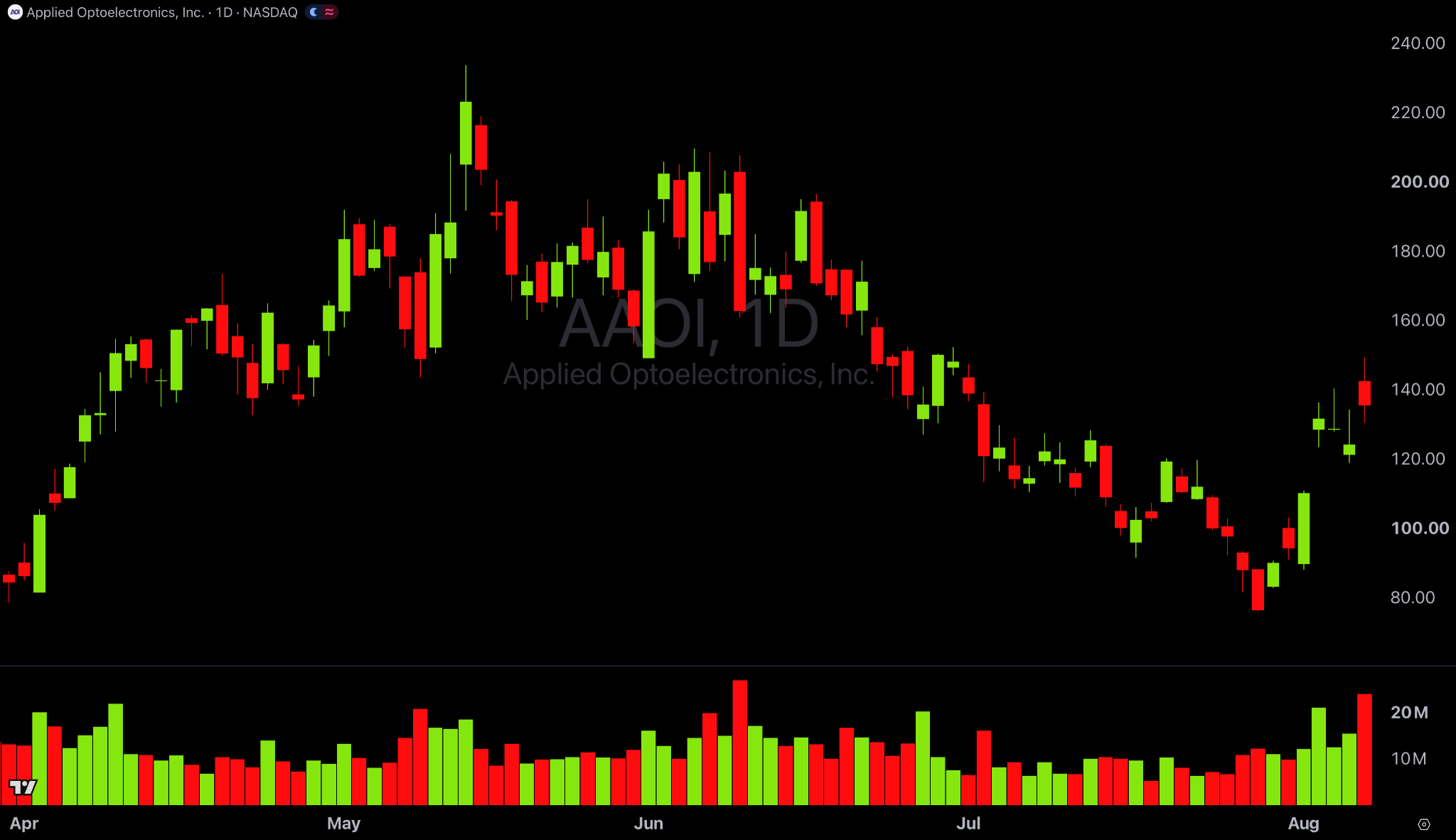
Nothing is finalized yet, and Reuters noted that the FCC could still modify or shelve the proposal, but the development highlights how geopolitical policy is increasingly becoming a direct catalyst for AI infrastructure stocks.
For AAOI in particular, the potential removal of a major low-cost Chinese competitor could create an opportunity to capture additional demand as U.S. data-center construction continues to accelerate.
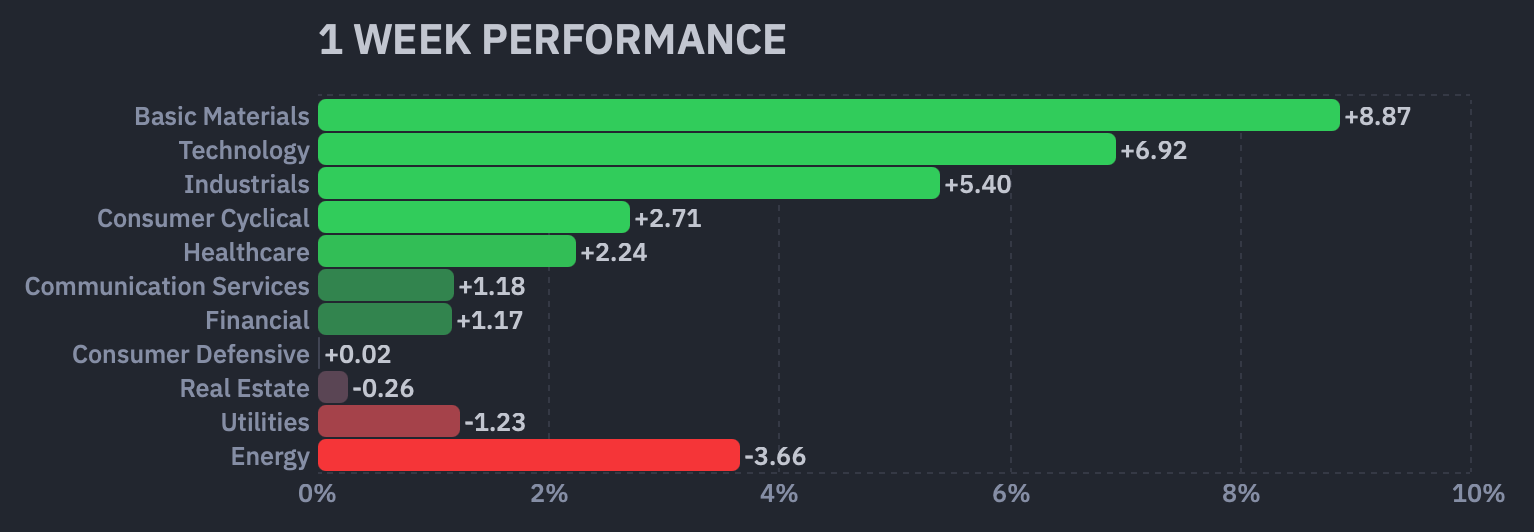
Sector Weekly Performance
Current Themes & Volatile Movers
Headline Reactions
News catalysts of all types caused sharp reactions in many securities this week.
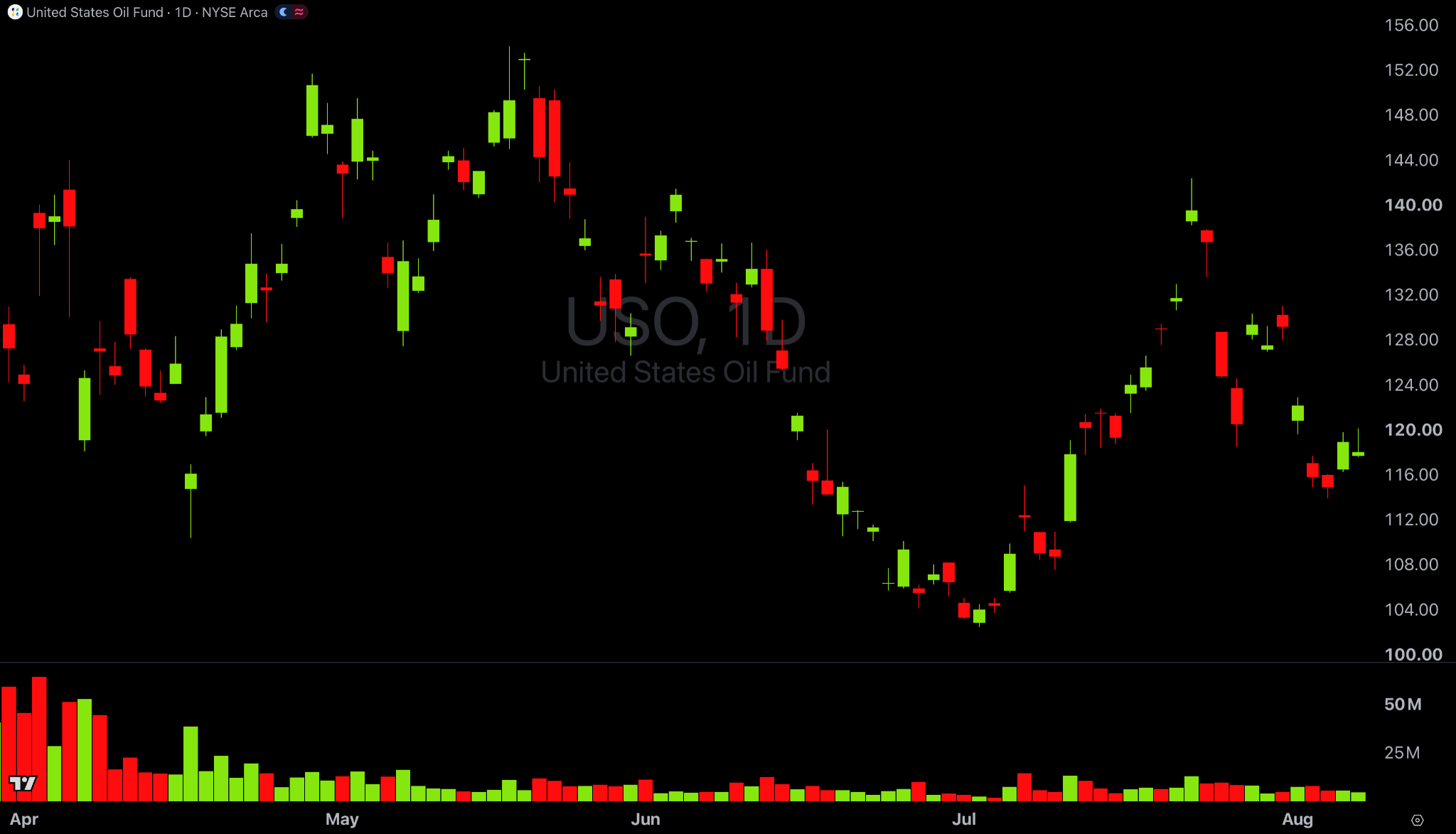
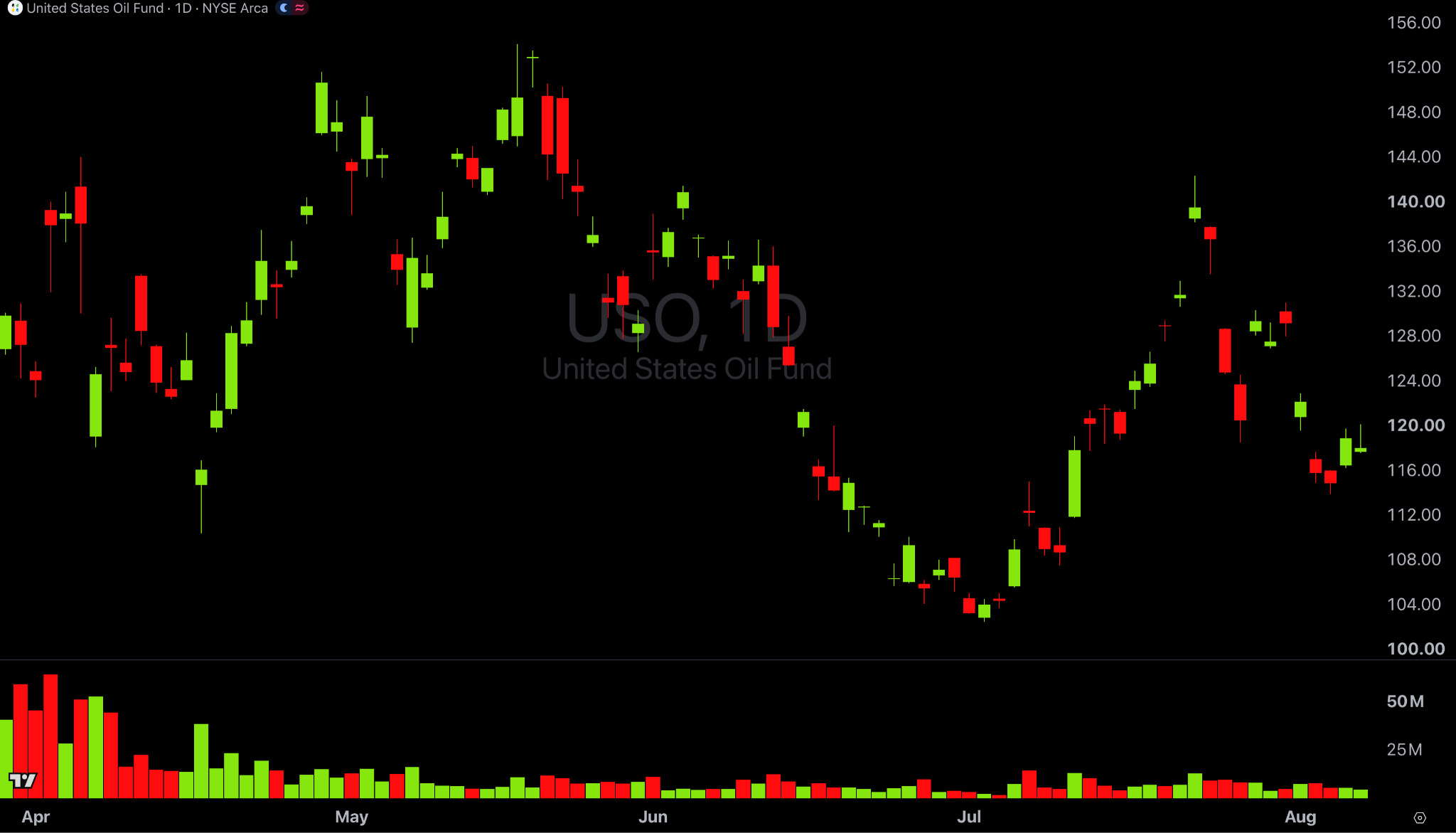
USO down 5% as President Trump halted planned strikes on Iran and signaled that talks to end the conflict could resume, easing geopolitical risk and putting pressure on oil prices.
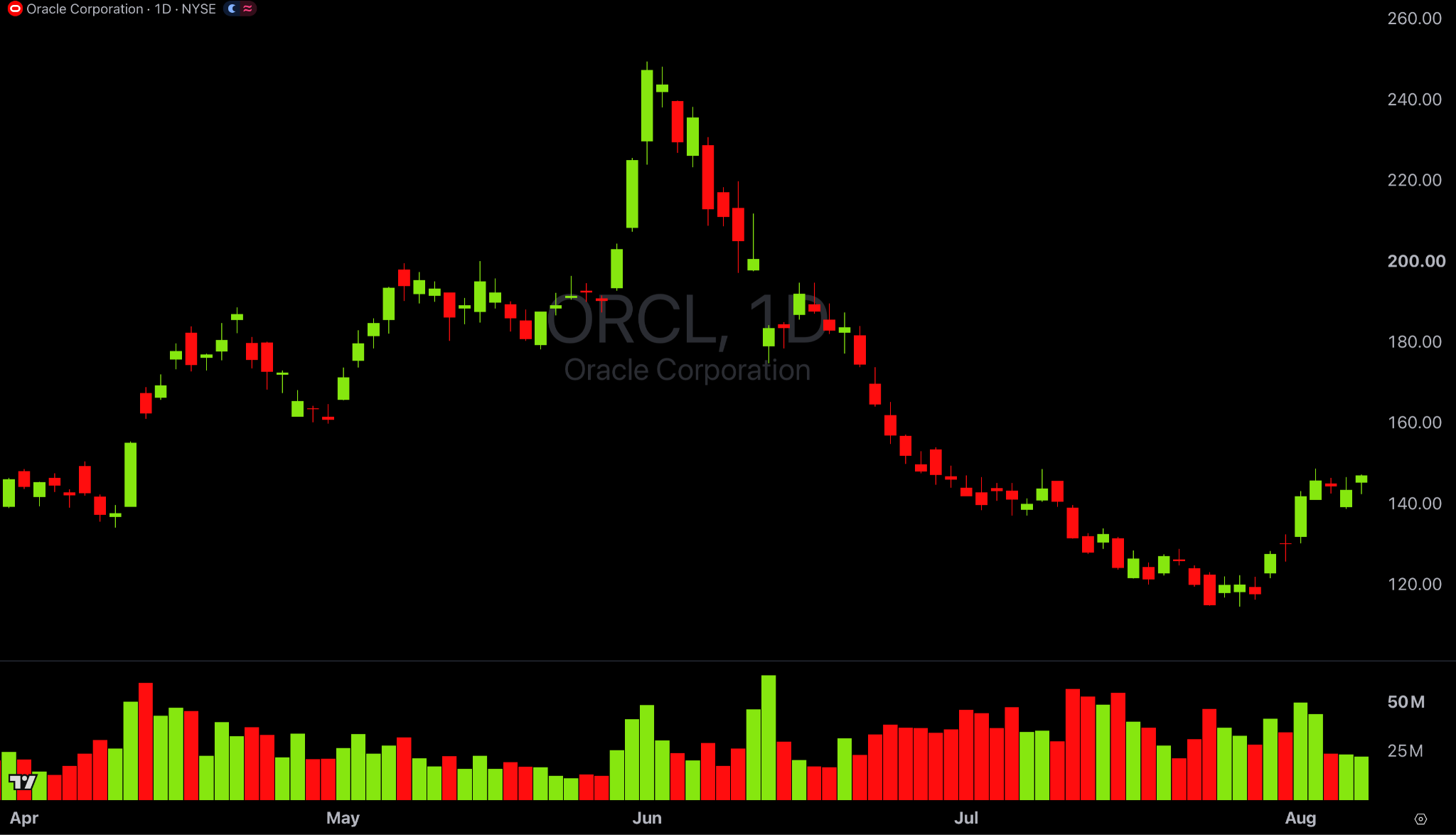
ORCL up 10% as renewed enthusiasm around AI infrastructure and cloud spending drove a broader rally in hyperscaler and AI-related names.
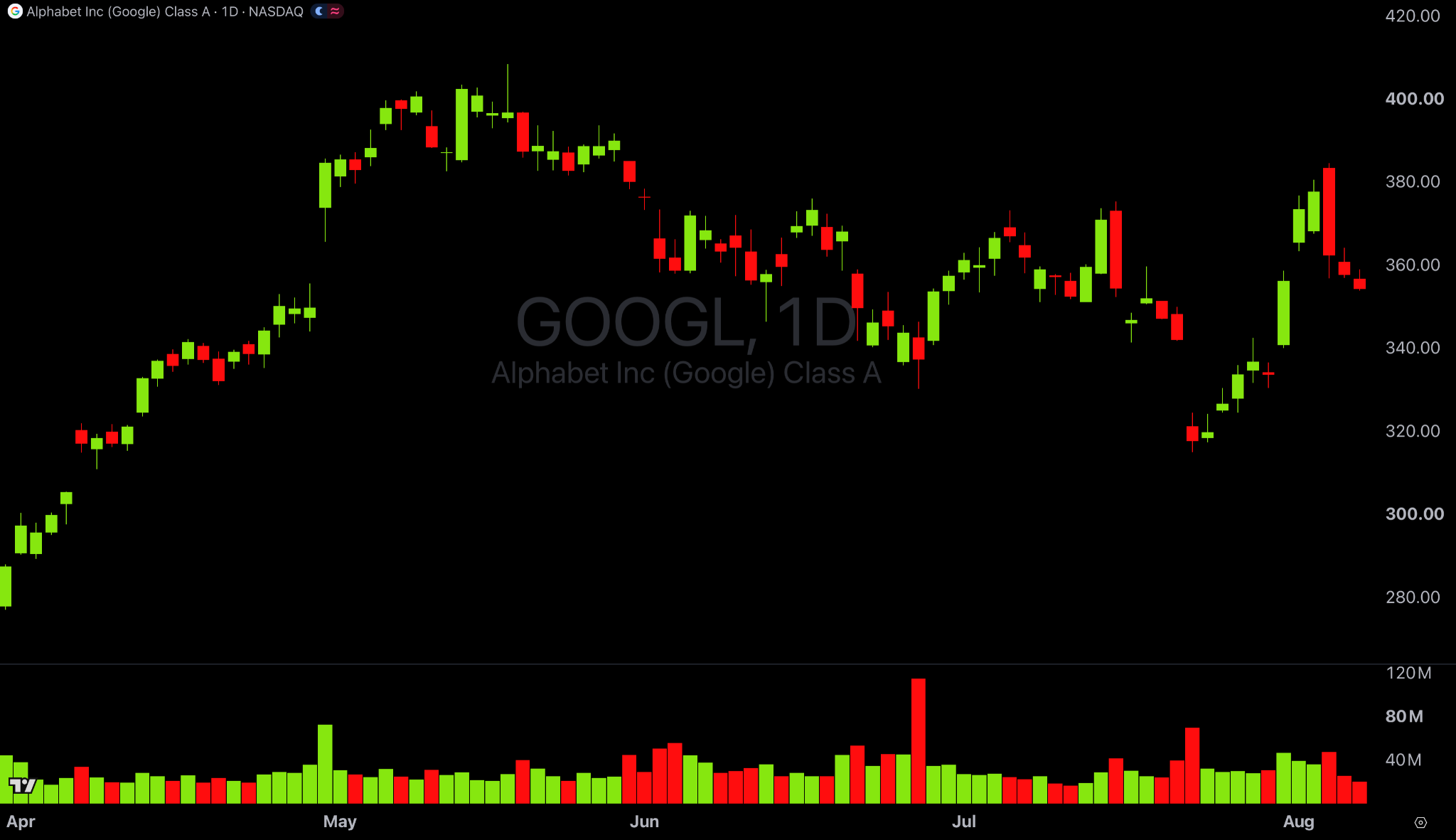
GOOGL down 4% overall as Google Cloud growth and optimism around AI infrastructure were balanced by concerns over the departure of senior AI executives.
SNDK down 4% overall as investors took profits in the memory sector despite strong underlying demand, with concerns over new fab capacity potentially easing the severe memory shortage.
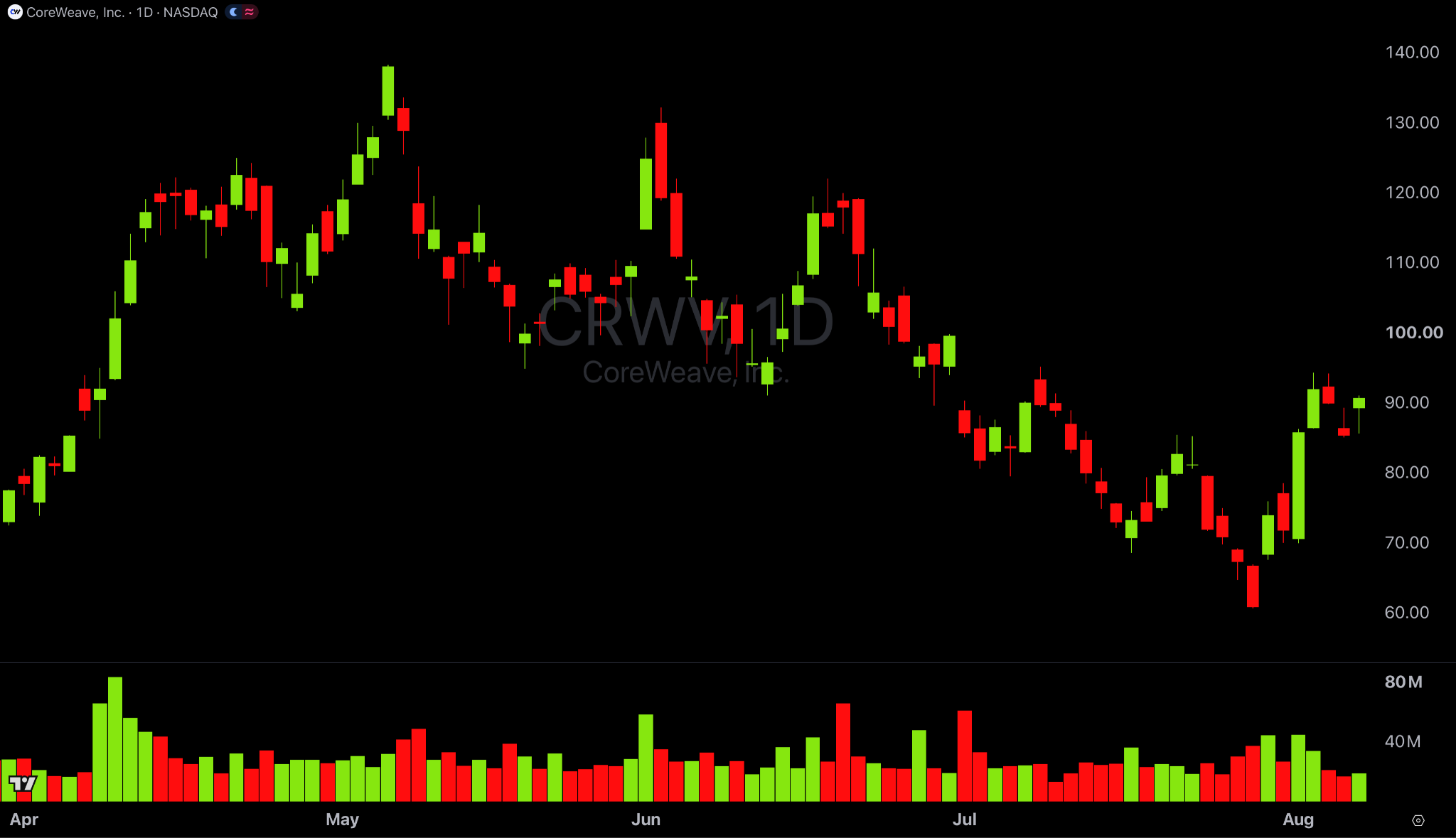
CRWV up 26% after lenders restructured a major loan, easing concerns around its heavy debt burden and AI-infrastructure financing.
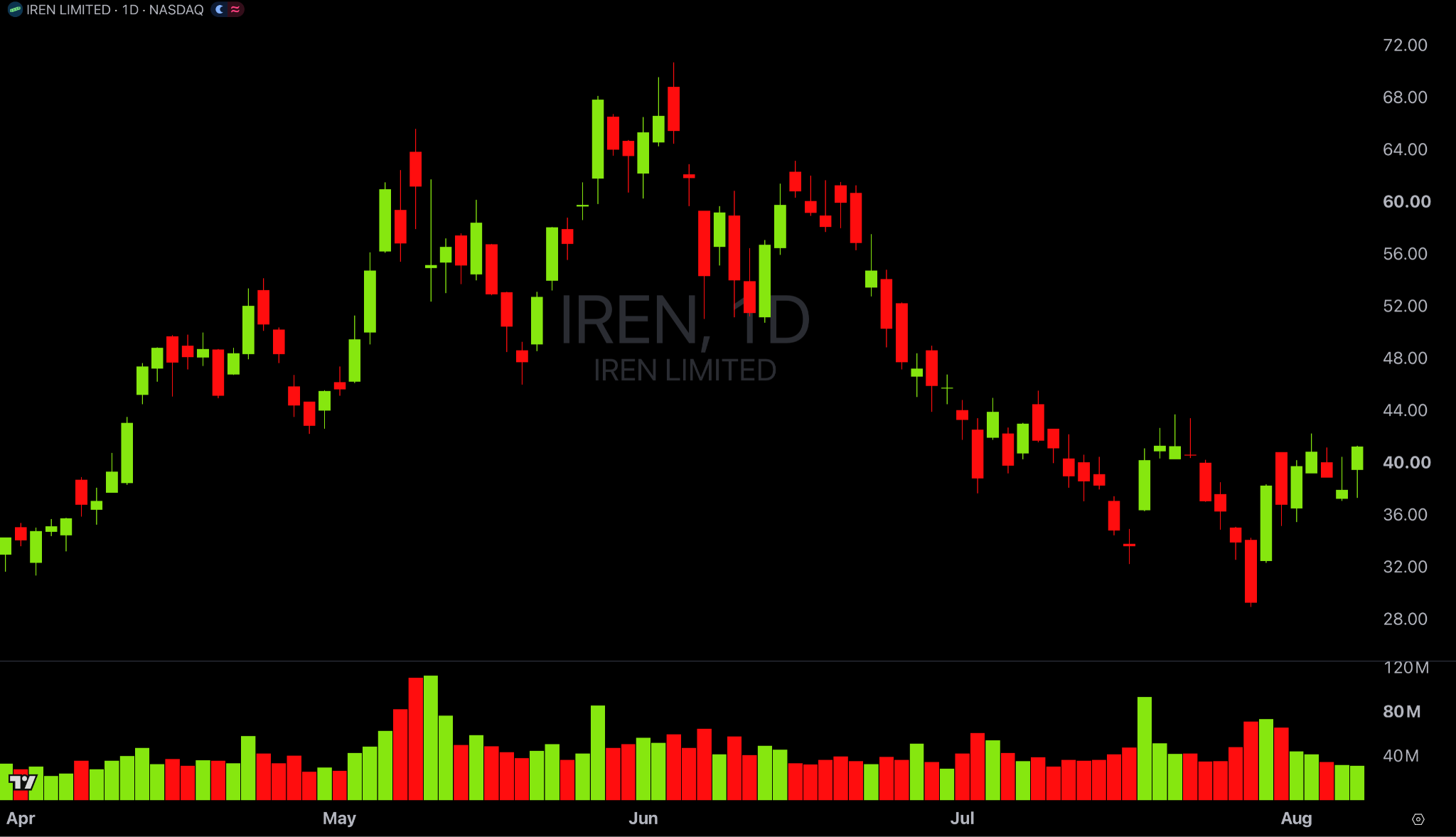
IREN up 14% as the broader AI infrastructure and data-center trade strengthened, boosting companies positioned to benefit from surging demand for AI compute.
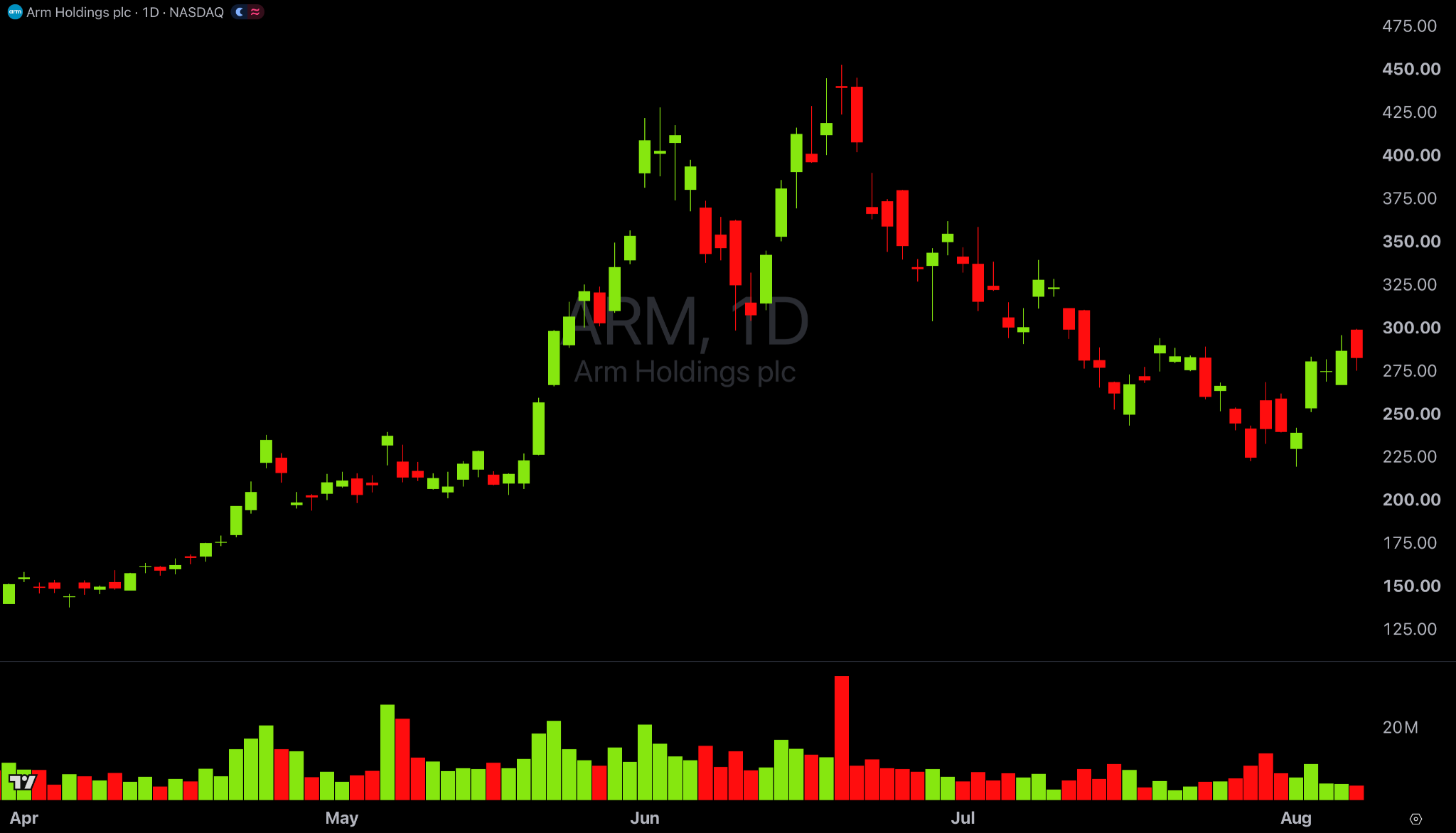
ARM up 26% as renewed optimism around AI infrastructure spending fueled a broad rally in semiconductor and AI-related stocks.
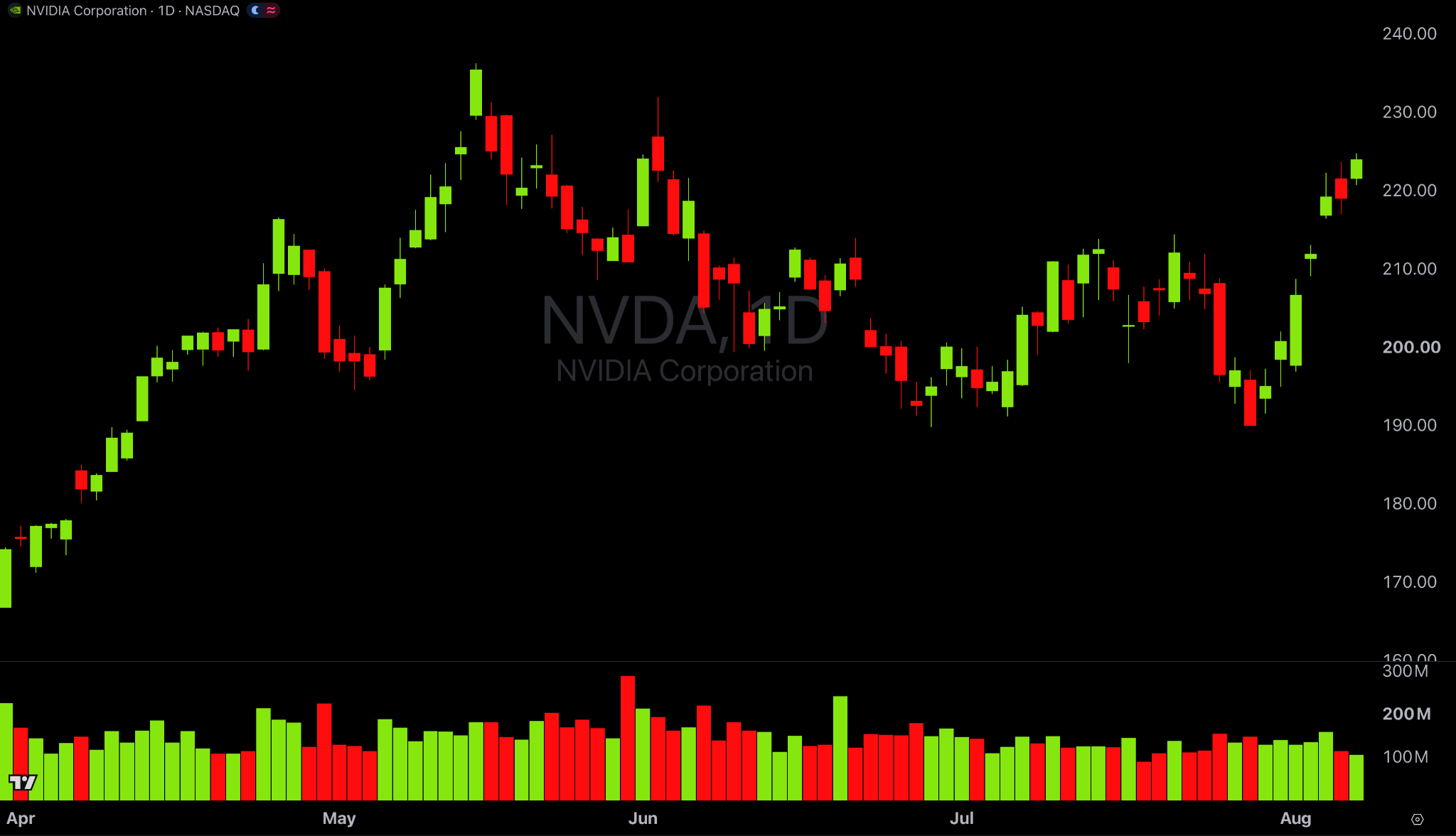
NVDA up 12% as Elon Musk said SpaceX would use Nvidia platforms exclusively, including Vera Rubin systems, reinforcing Nvidia’s position as a key beneficiary of accelerating AI infrastructure spending.
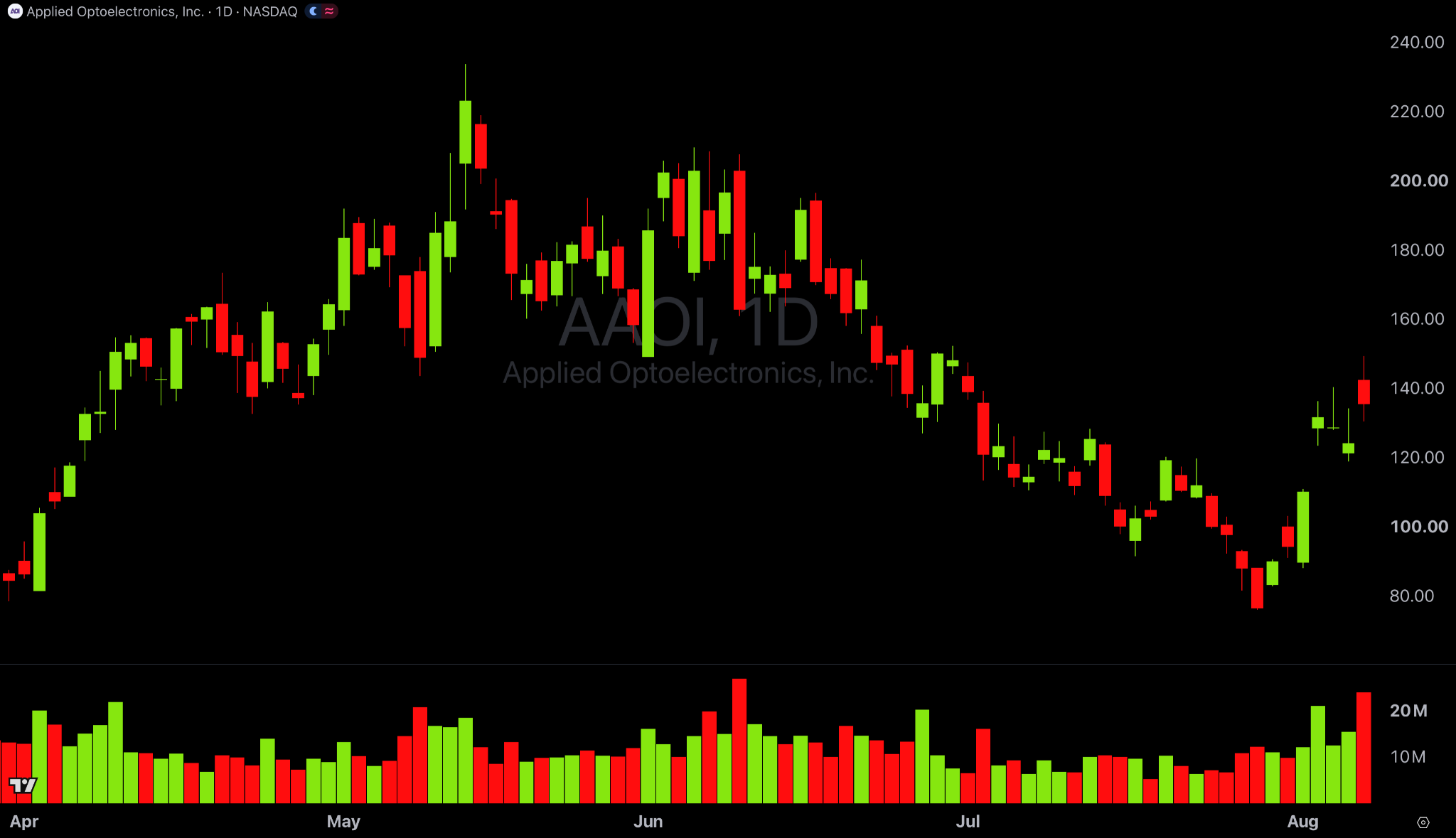
AAOI up 50% after reports that the White House was considering restricting or banning Chinese-made optical transceivers and other data-center components, potentially shifting AI infrastructure demand toward U.S. suppliers.
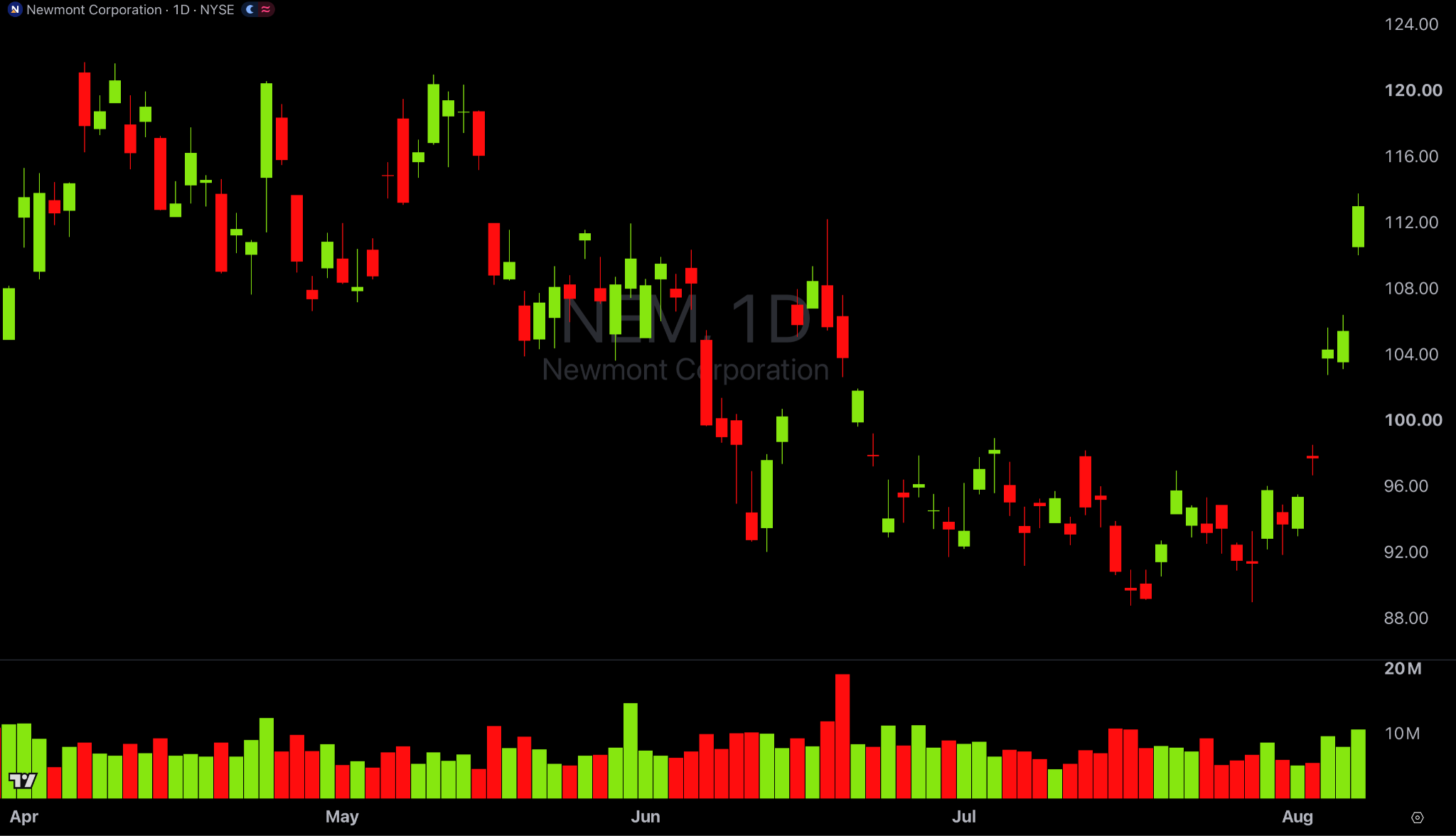
NEM up 21% as sharply higher gold prices and falling Treasury yields fueled a broader flight-to-safety rally across gold miners.
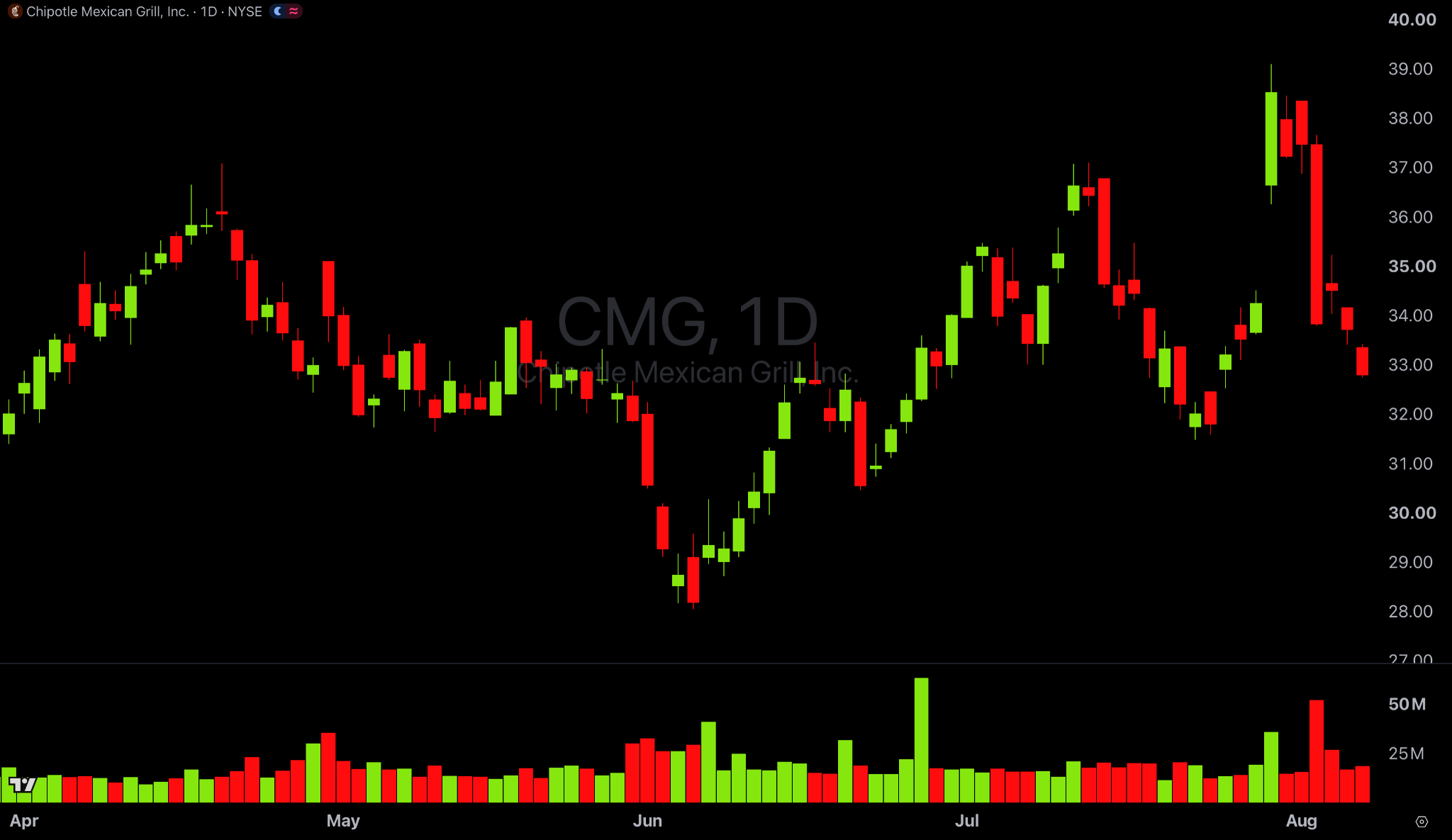
CMG down 13% after reports of a potential salmonella outbreak tied to jalapeños in Minnesota, although officials later said there was no longer concern over continued exposure.
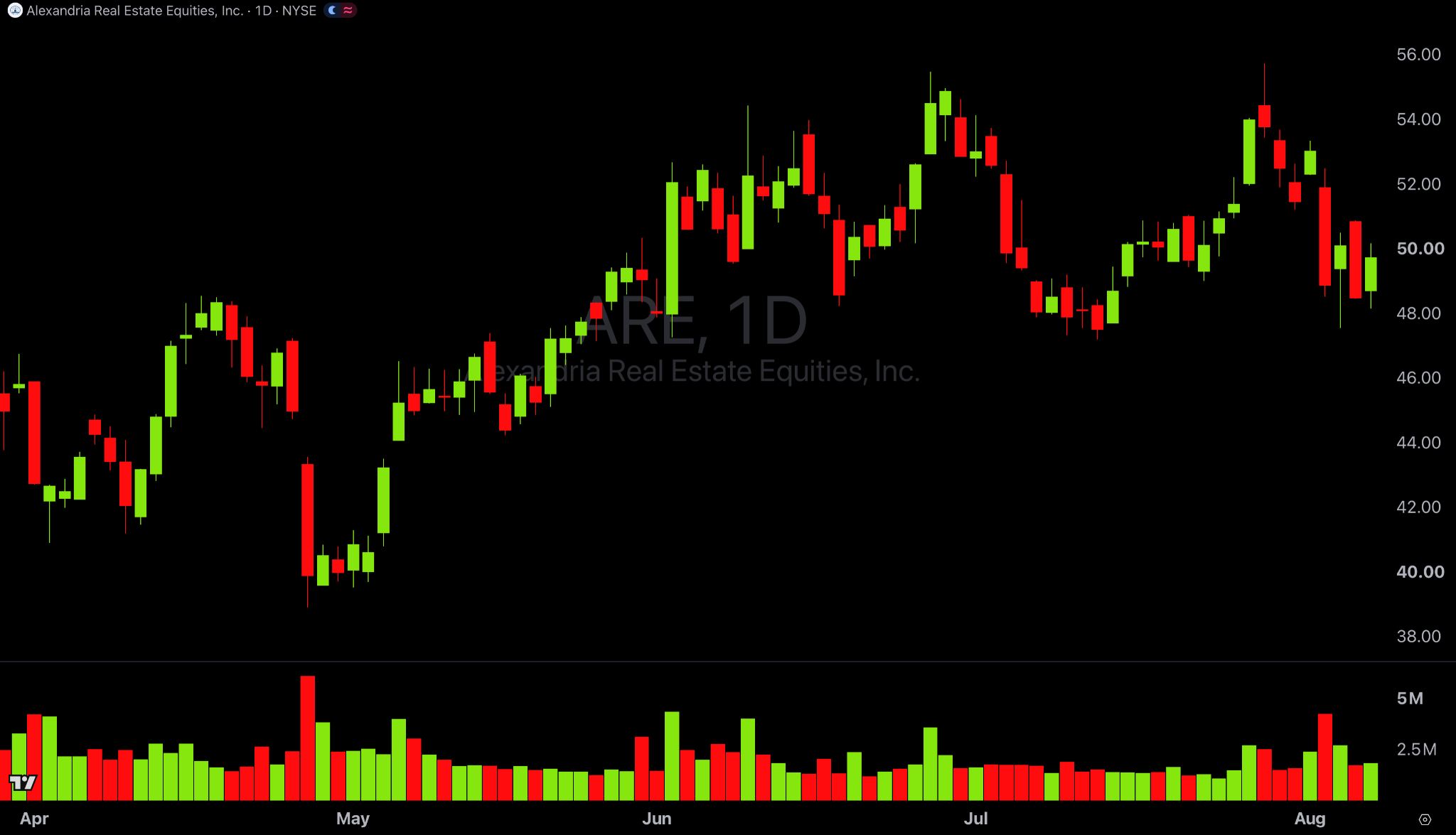
ARE down 6% as investors continued to digest weak operating trends, including a 10.6% decline in same-property NOI and a quarterly loss, despite the company maintaining its 2026 FFO outlook.
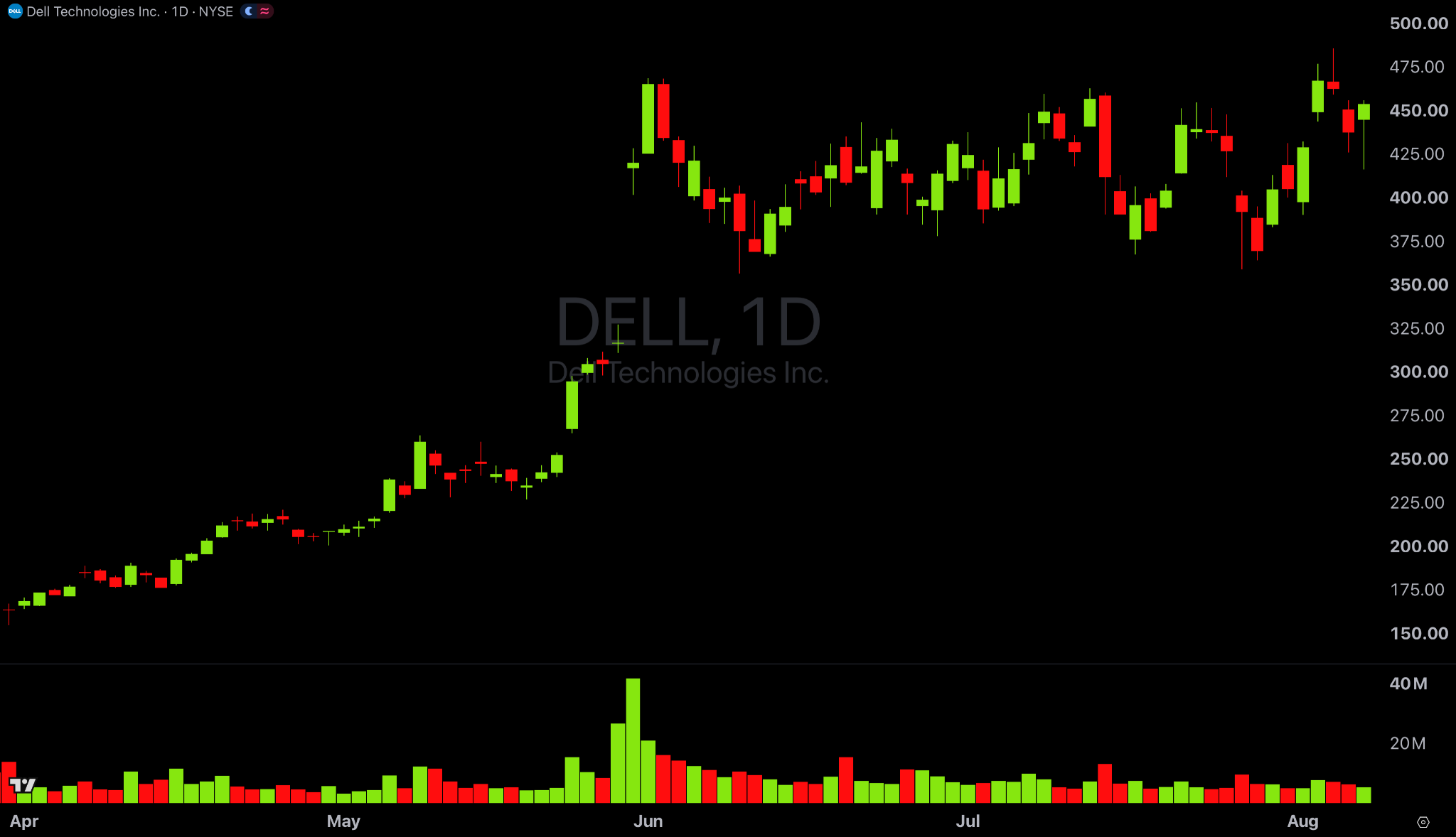
DELL up 15% as investors rotated back into AI hardware names and reassessed enterprise infrastructure valuations.
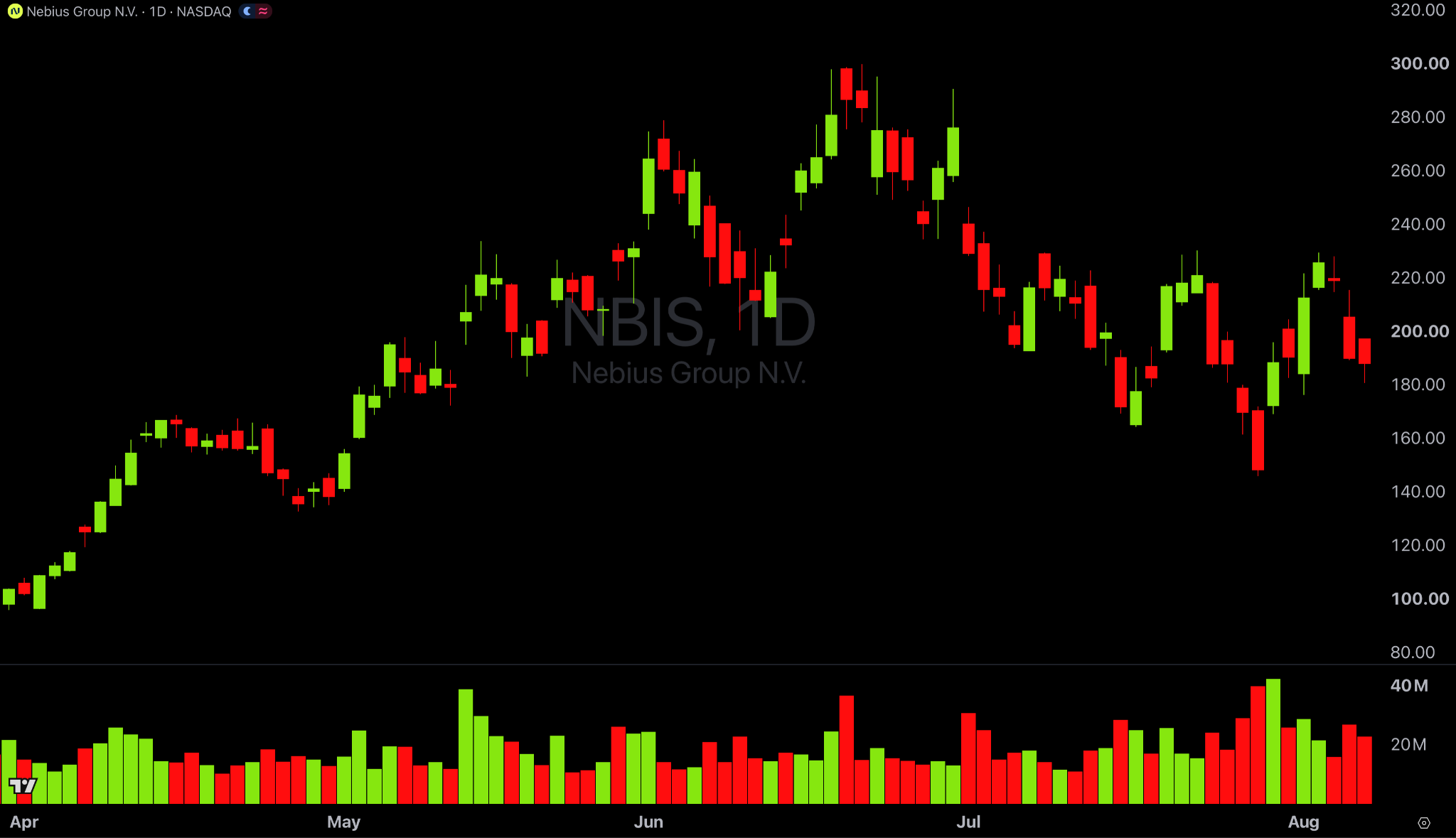
NBIS up 4% as weakness across AI infrastructure stocks pressured sentiment toward AI compute providers.
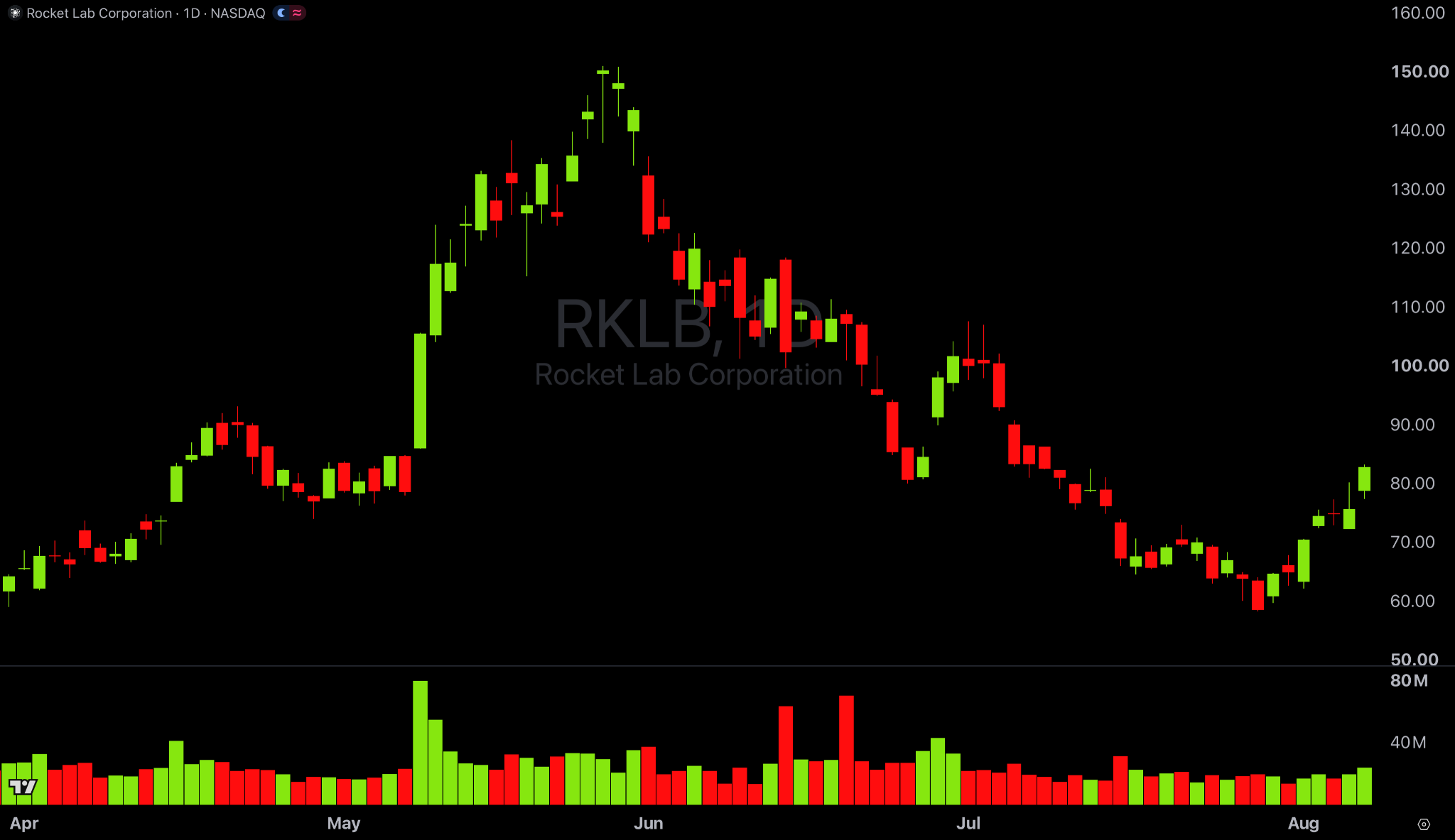
RKLB up 31% in sympathy with the broader space-stock rally as SPCX stabilized following its post-earnings selloff and lockup expiration.
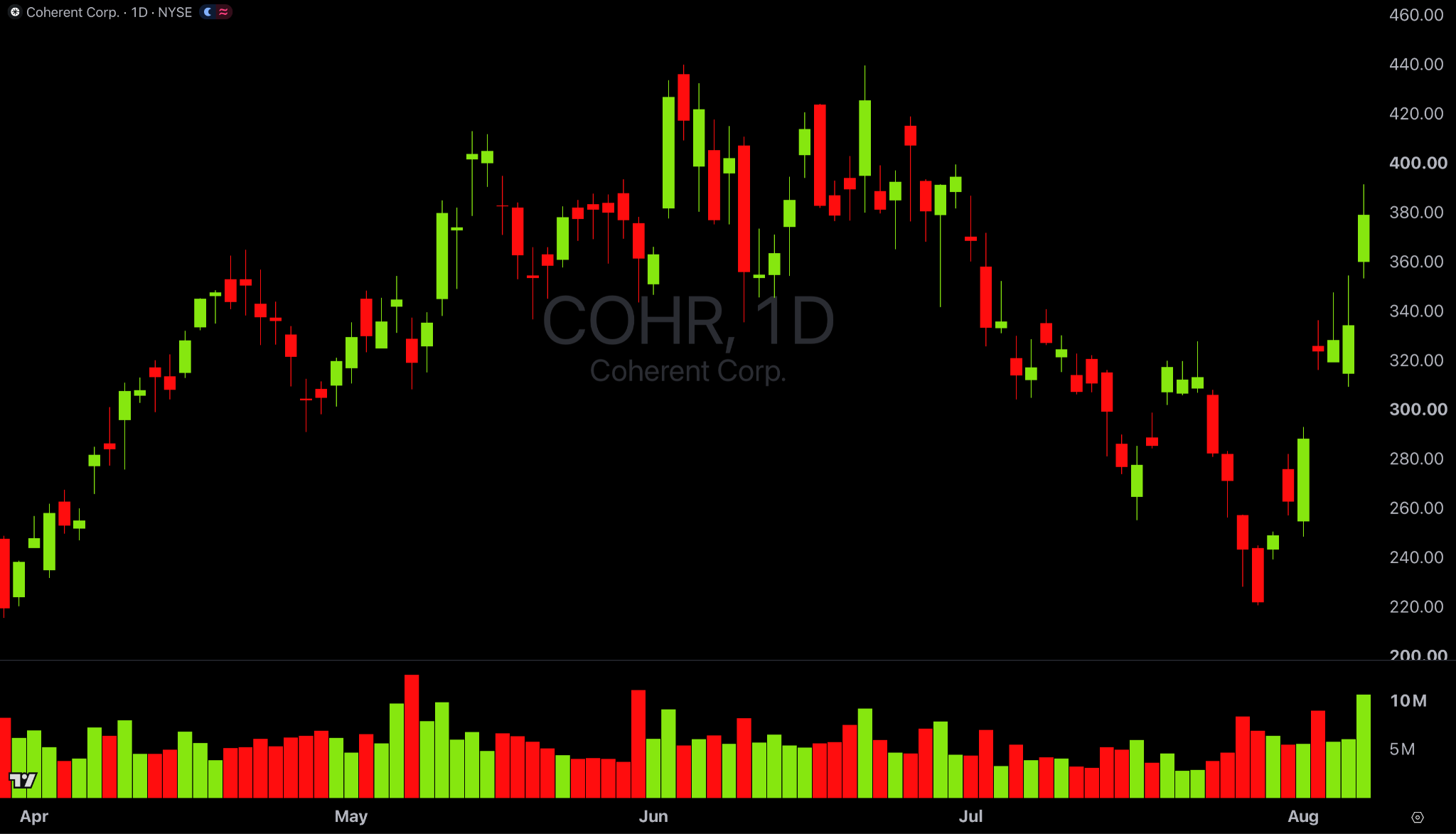
COHR up 49% on accelerating demand for optical components used in AI data centers, with bullish analyst sentiment ahead of its August 12 earnings report.
Earnings Reactions
Up on Earnings
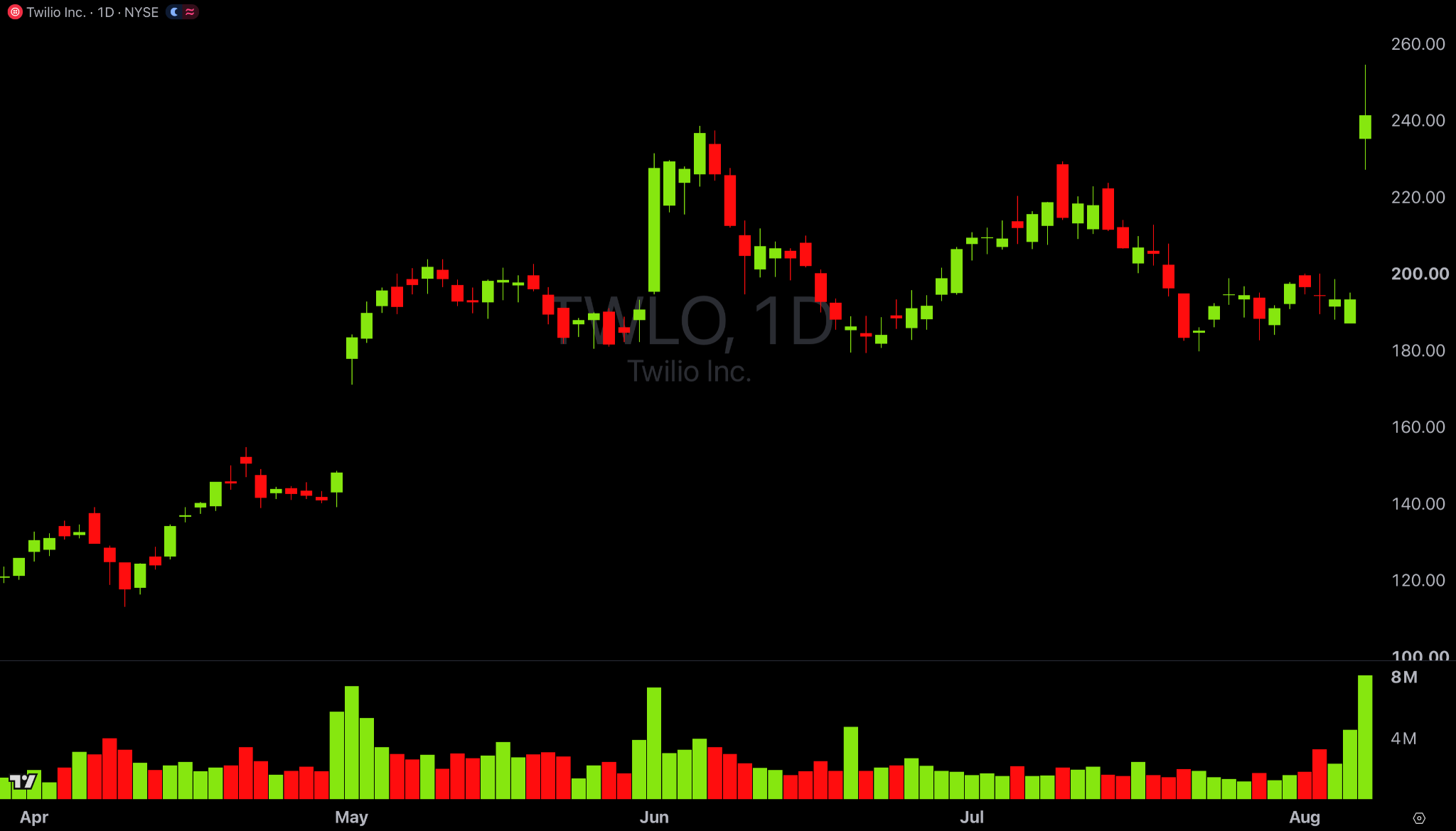
TWLO up 23% after Q2 revenue reached roughly $1.5 billion, EPS beat estimates by a wide margin, and organic growth accelerated, reinforcing confidence in an AI-driven reacceleration.
PLTR up 37% overall after blowout Q2 results showed revenue surging 93% year over year to $1.94 billion, adjusted EPS of $0.41 beating estimates, and the company raising its full-year revenue outlook to $8.15 billion at the midpoint.
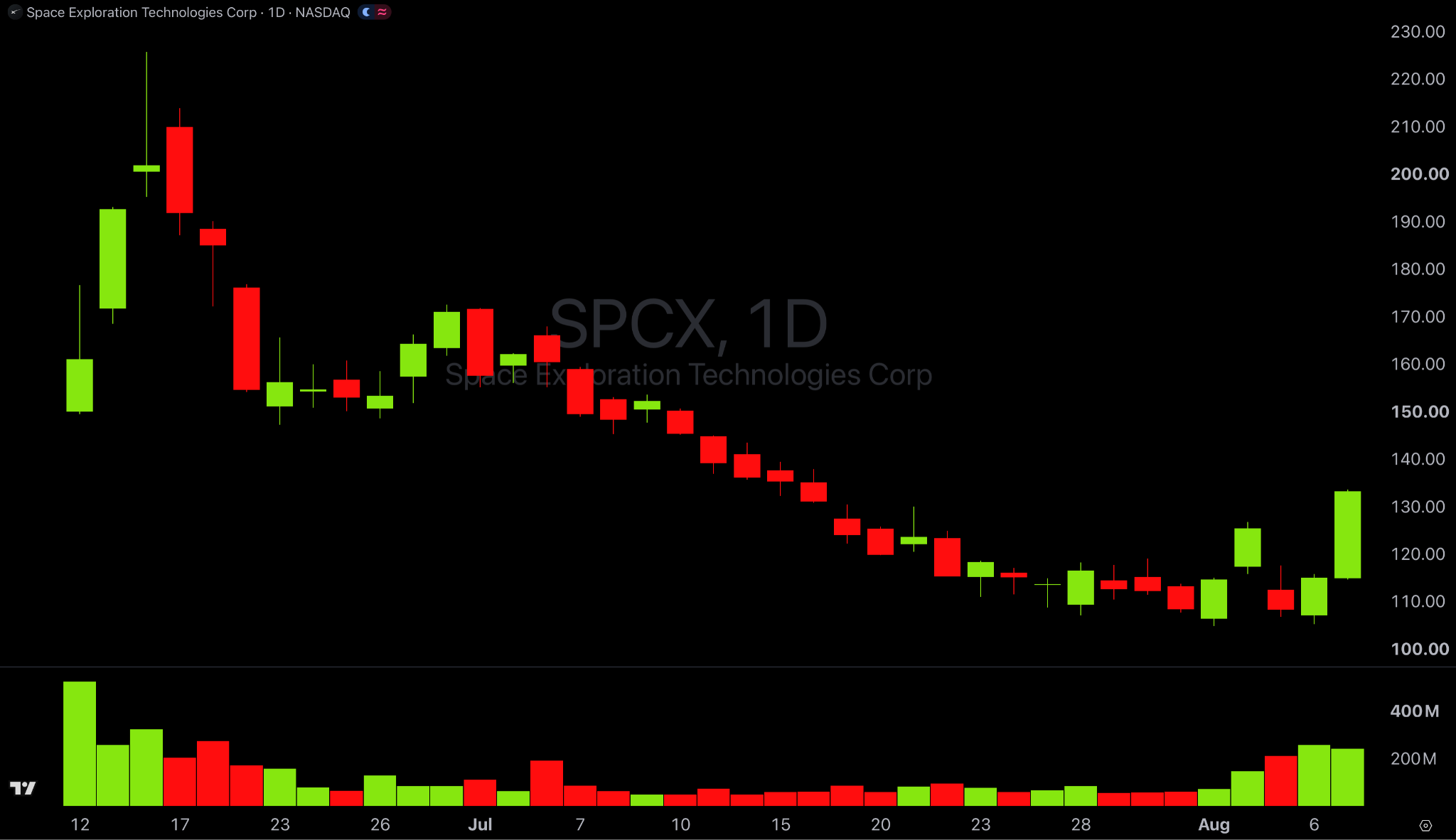
SPCX was highly volatile, initially falling as much as 13% after its first public earnings report despite nearly doubling revenue, as investors focused on its $18.4 billion capital-expenditure plan, before rebounding 24% on the week as the lockup expiration passed without the feared insider selling pressure.
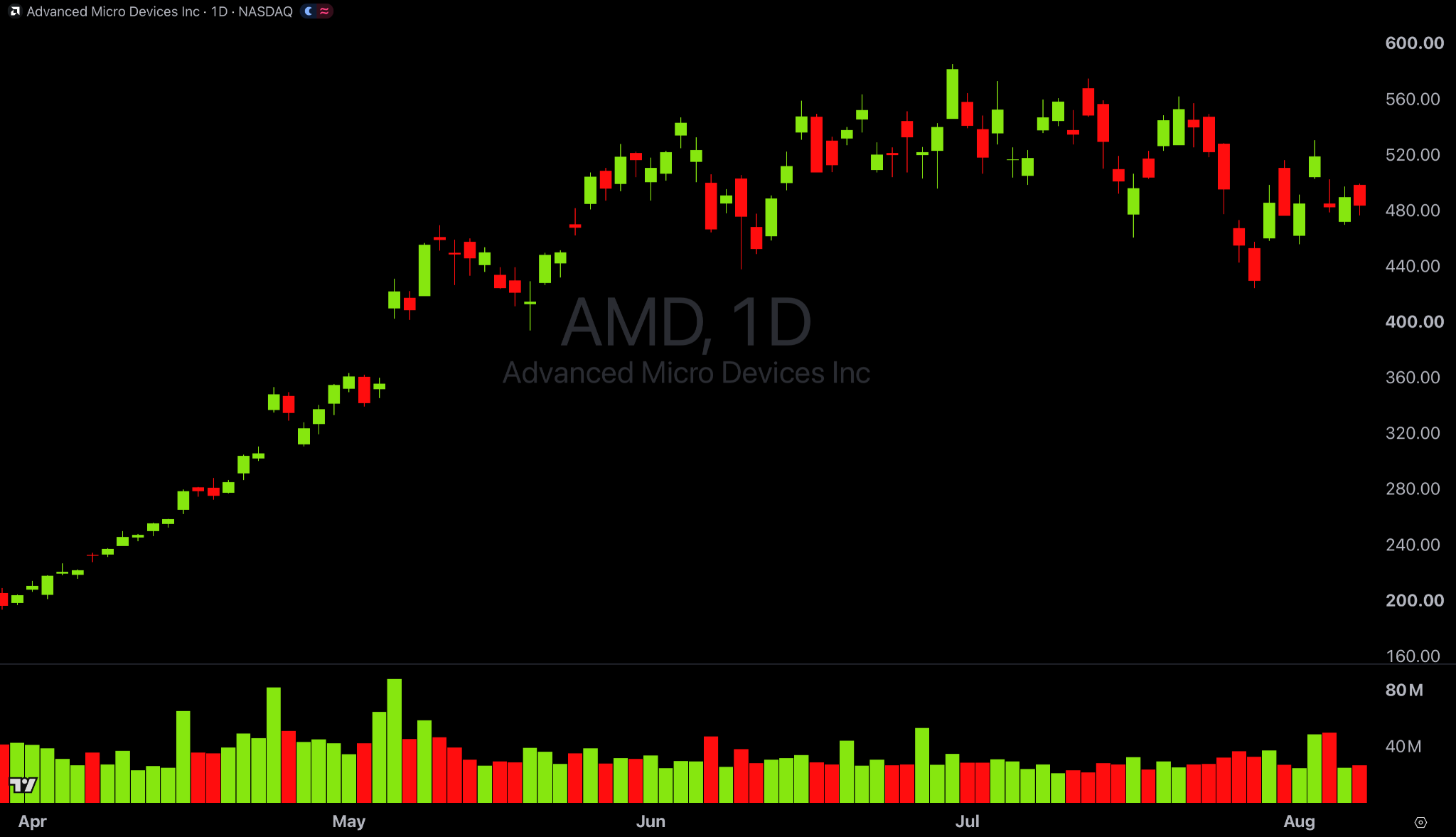
AMD up 5% overall following earnings as investors focused on its AI accelerator ramp and outlook, while broader semiconductor weakness and profit-taking added pressure.
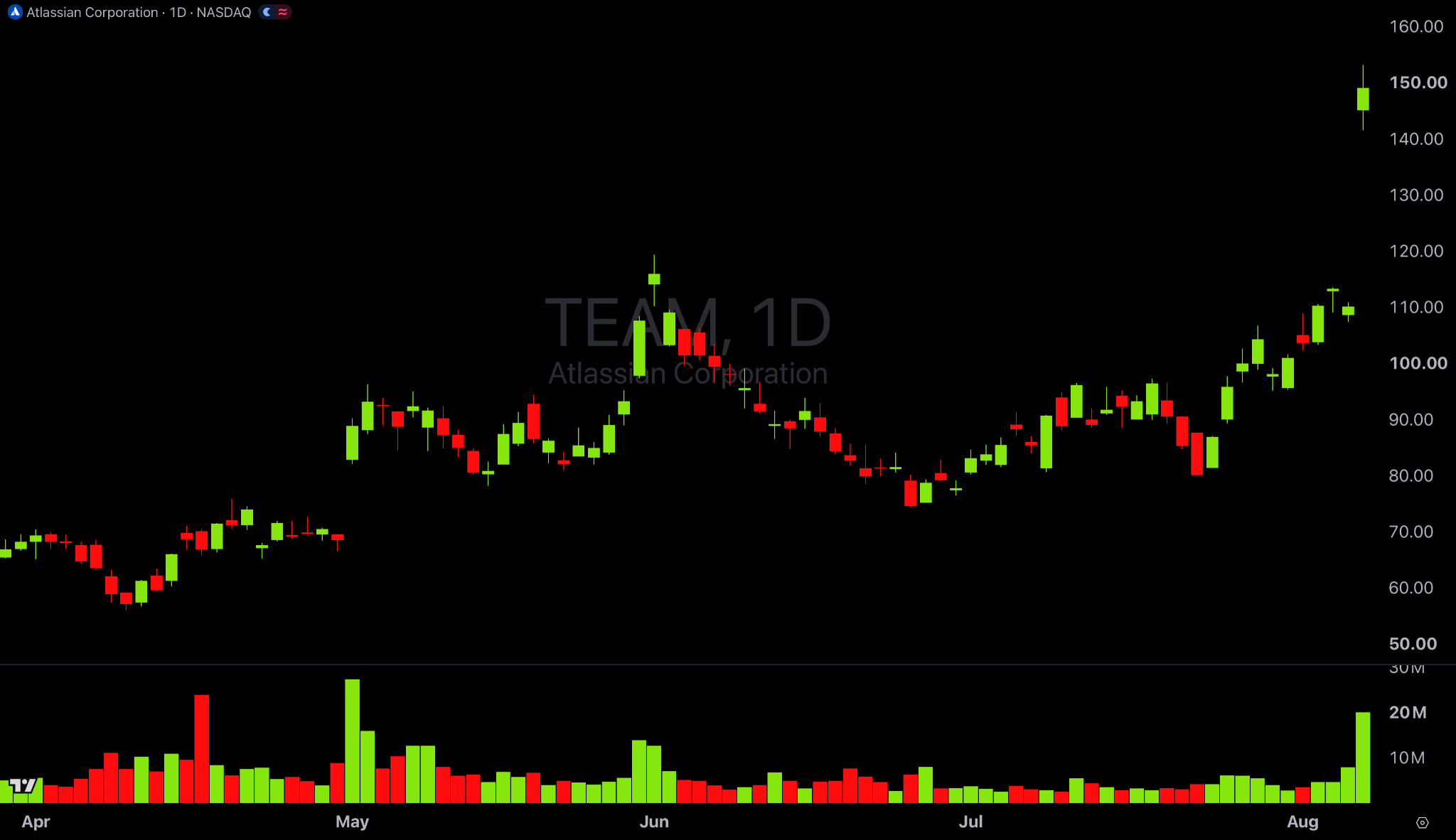
TEAM up 40% after strong Q4 results and a bullish cloud outlook, with accelerating cloud growth and AI demand prompting analysts including BofA and Oppenheimer to raise ratings and price targets.
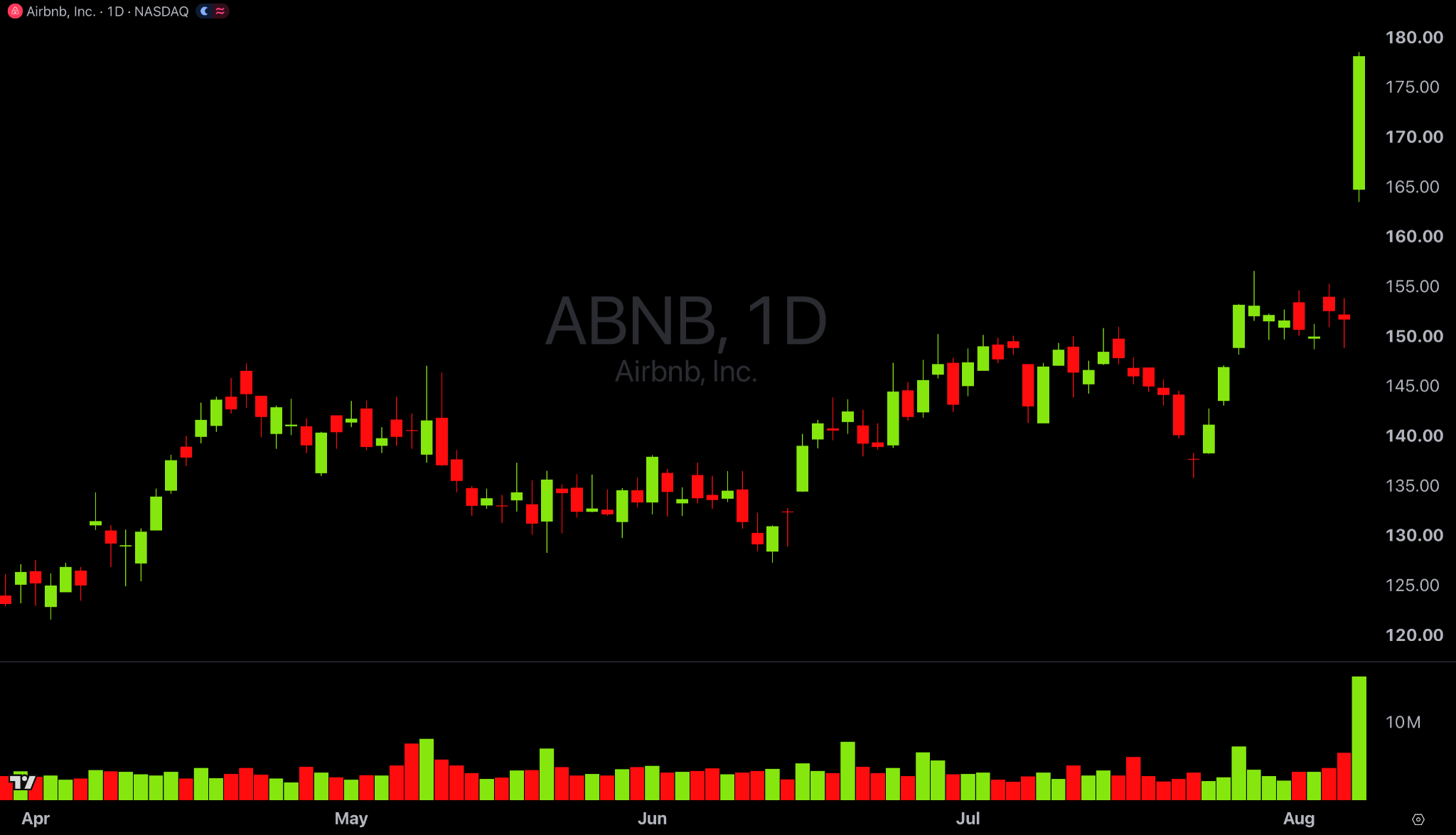
ABNB up 17% after Q2 results showed stronger-than-expected demand and the company raised its revenue forecast.
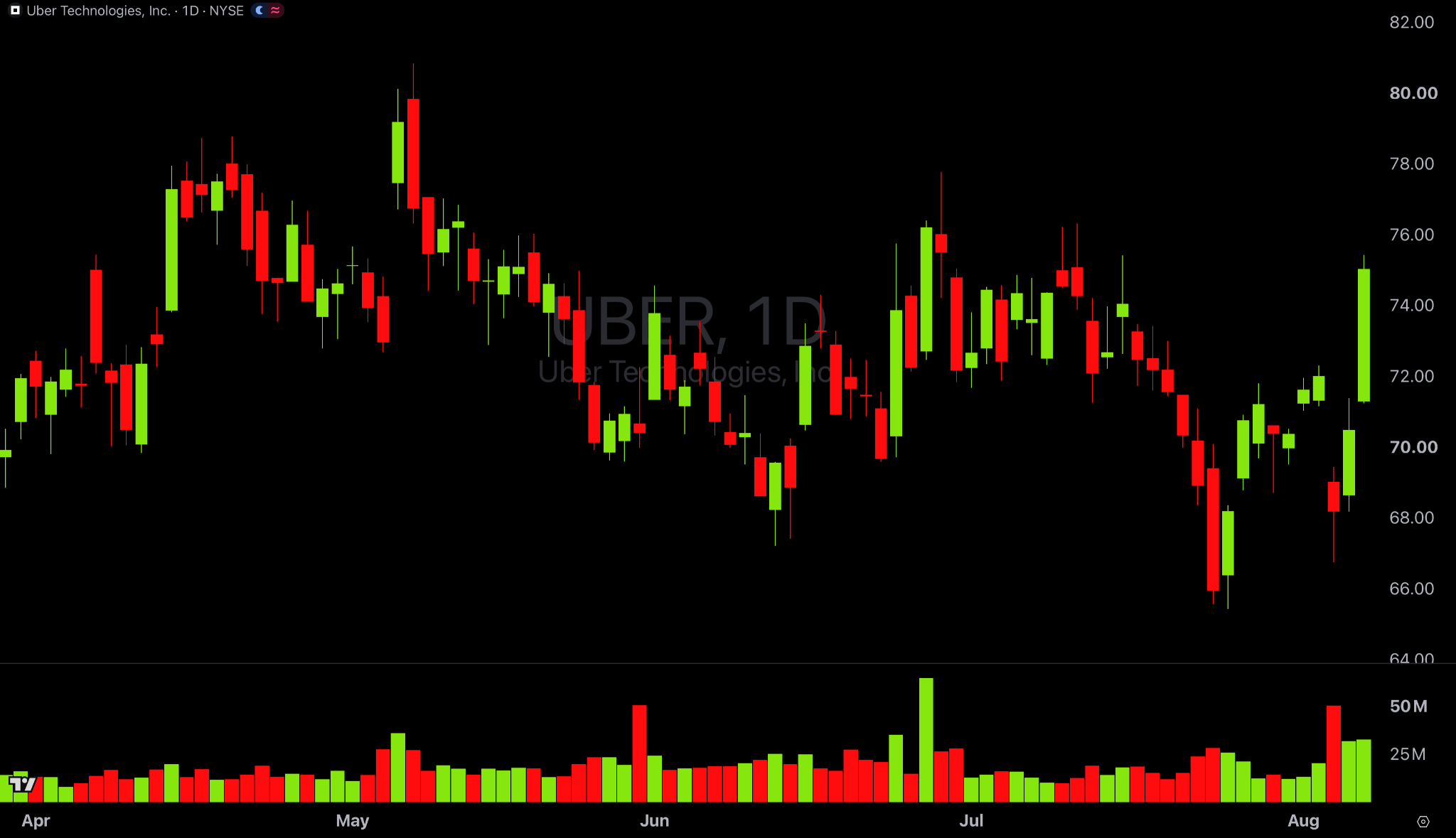
UBER up 5% after recovering from an earnings-driven selloff as investors looked past weaker near-term profit expectations and focused on strong bookings, user growth, and its robotaxi positioning.
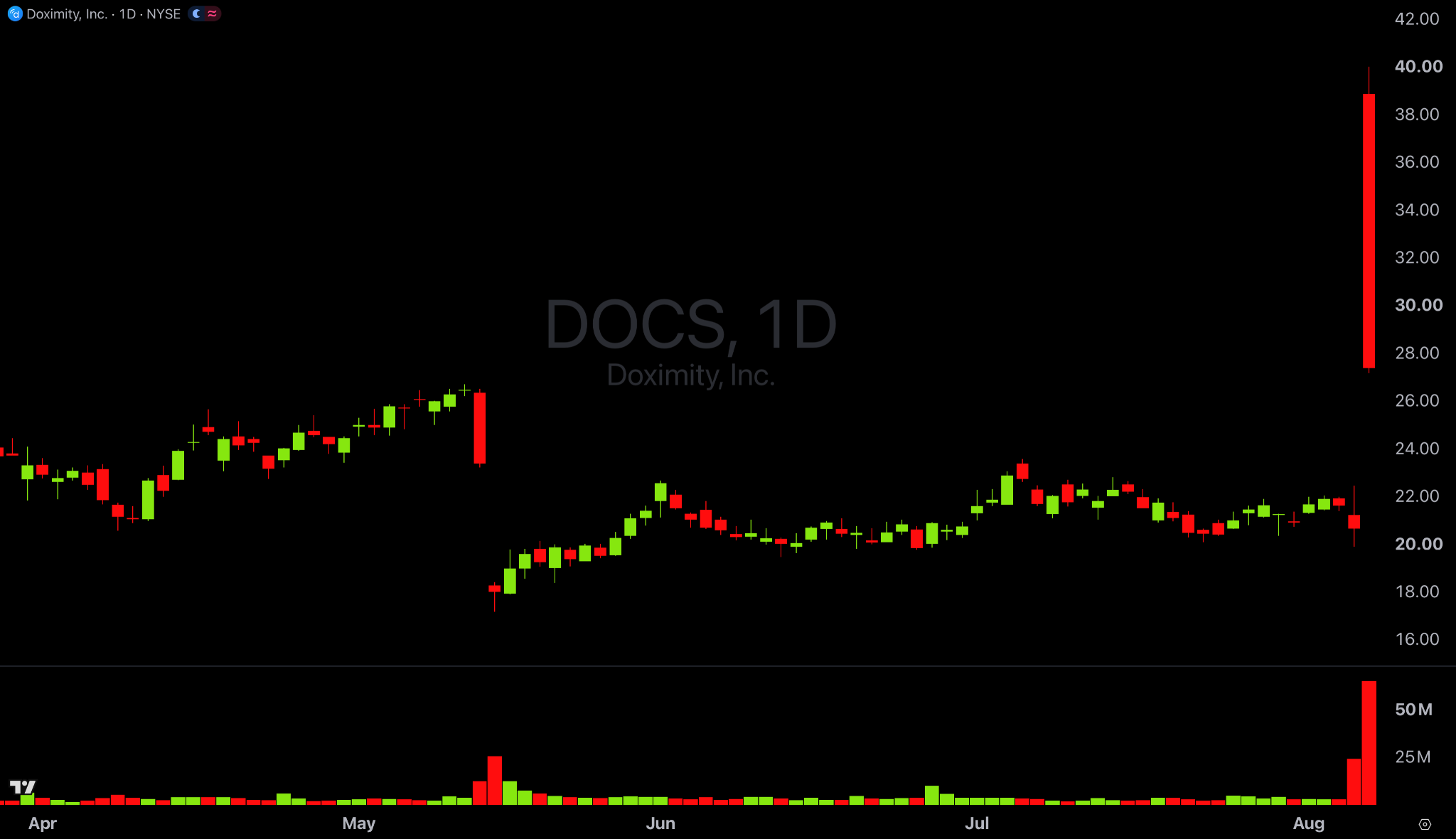
DOCS up 27% after raising full-year guidance and reporting stronger-than-expected physician engagement and AI-driven platform growth.
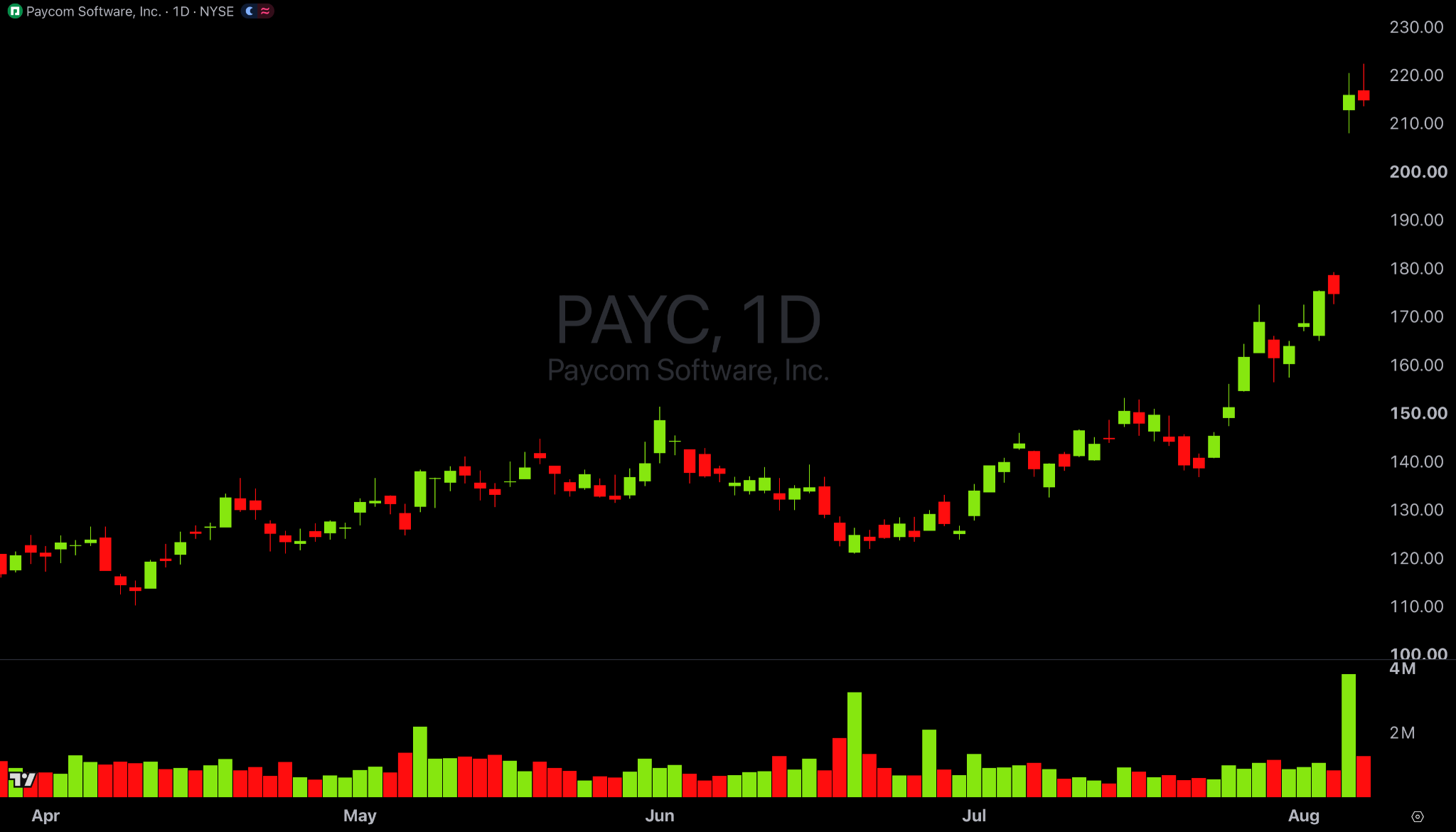
PAYC up 27% after beating earnings and revenue expectations while raising its full-year outlook.
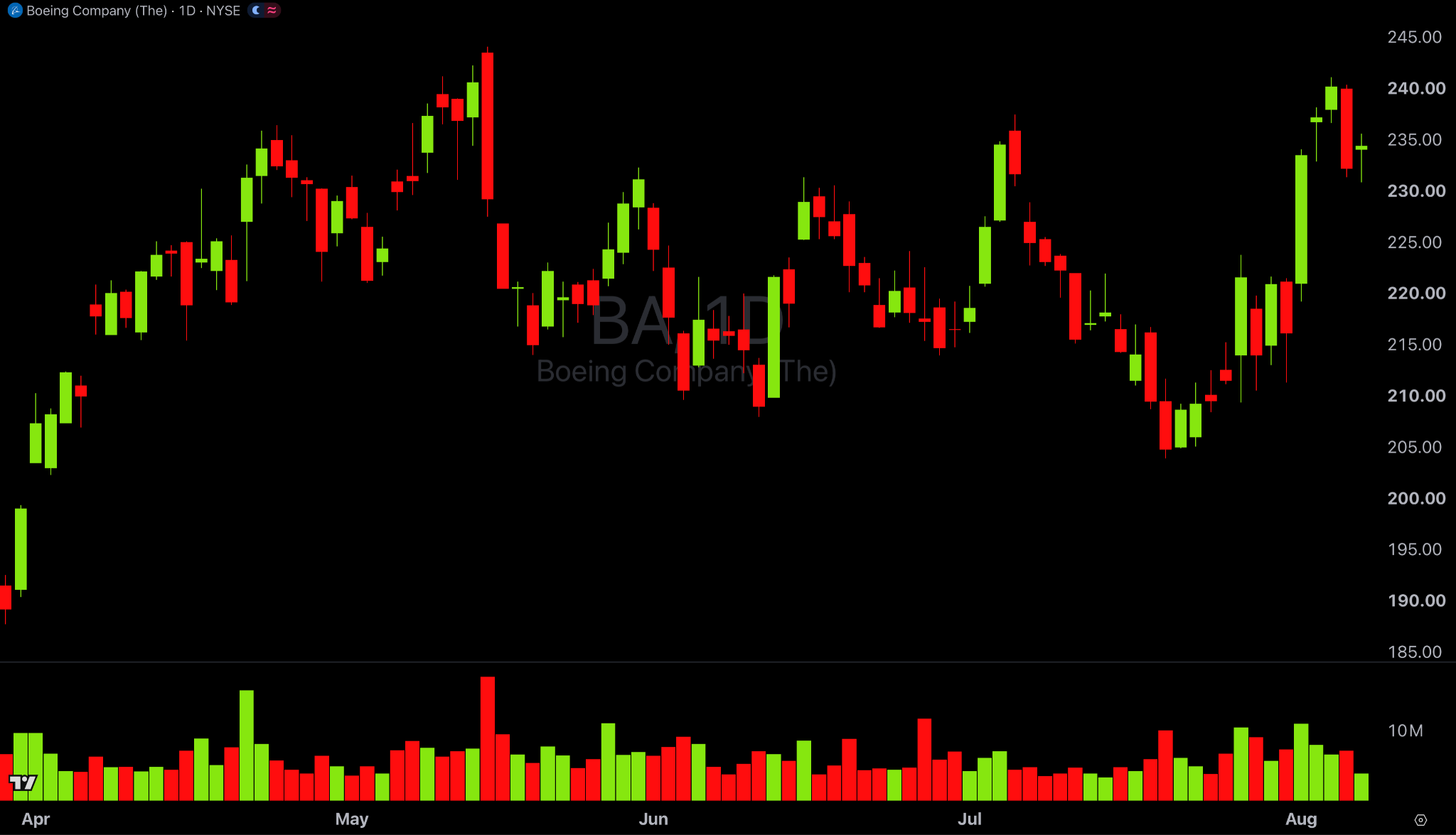
BA up 12% following its recent Q2 results, with strong production and delivery momentum, a double analyst upgrade and FAA certification of the 737 MAX 7 adding further bullish catalysts.
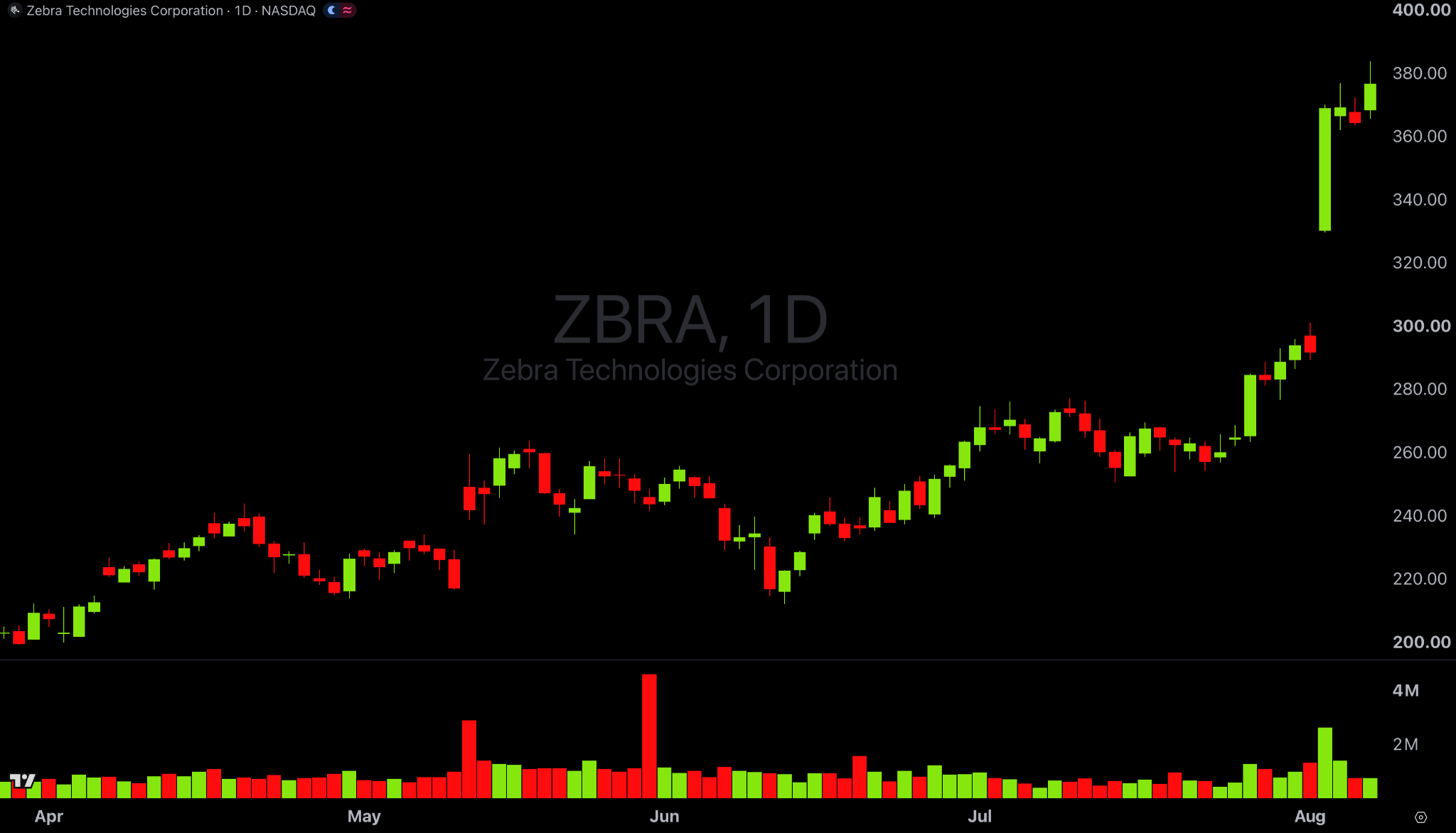
ZBRA up 26% after reporting record Q2 sales above $1.5 billion, a 76% jump in adjusted EPS and raising its full-year outlook despite memory-supply constraints.
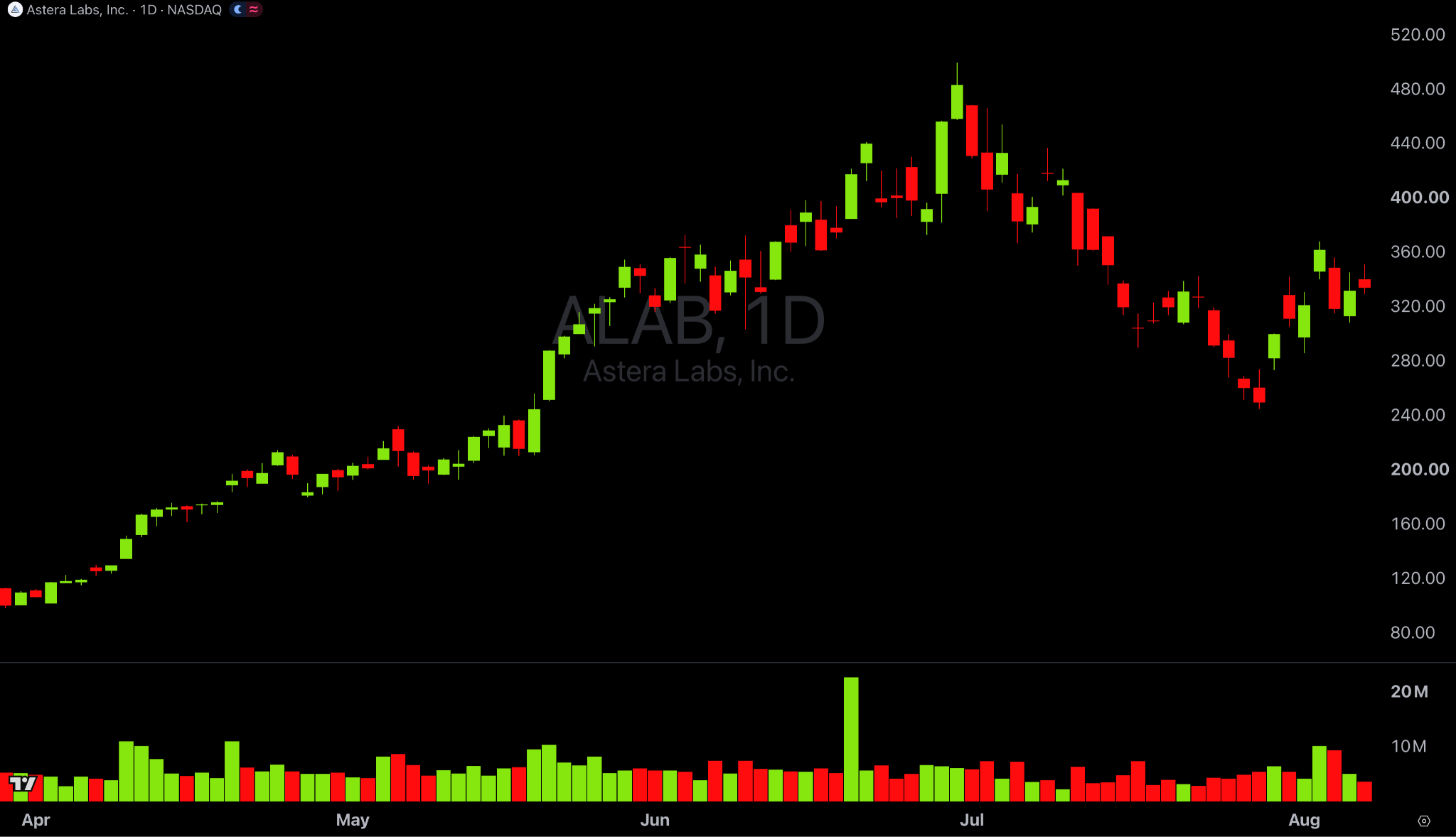
ALAB up 15% after swinging sharply on record Q2 revenue of $392.4 million and a major Q3 revenue inflection tied to its Scorpio X-Series ramp.
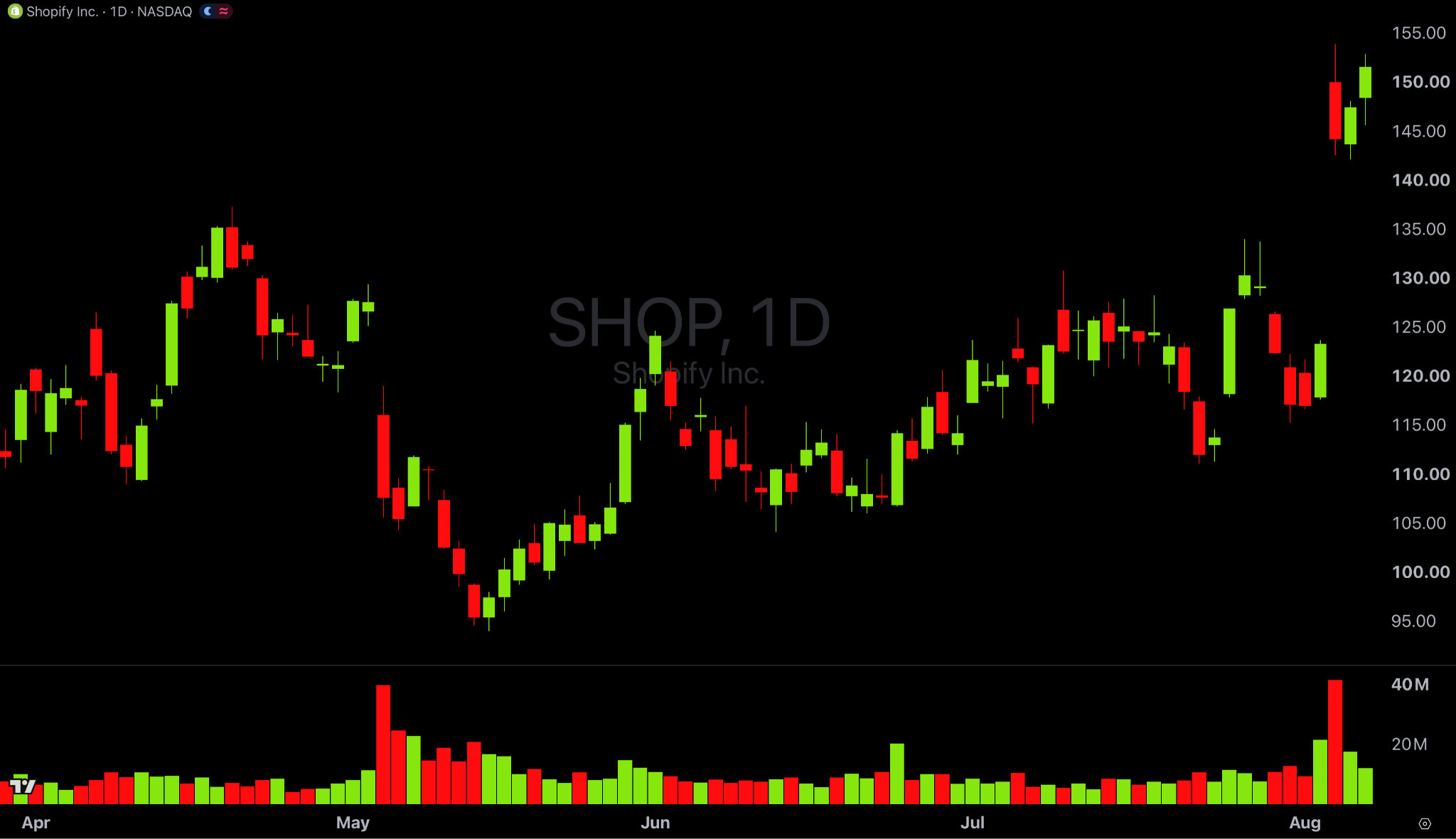
SHOP up 27% after beating earnings expectations, issuing strong revenue guidance and showing that its AI initiatives were accelerating merchant growth without sacrificing profitability.
Down on Earnings
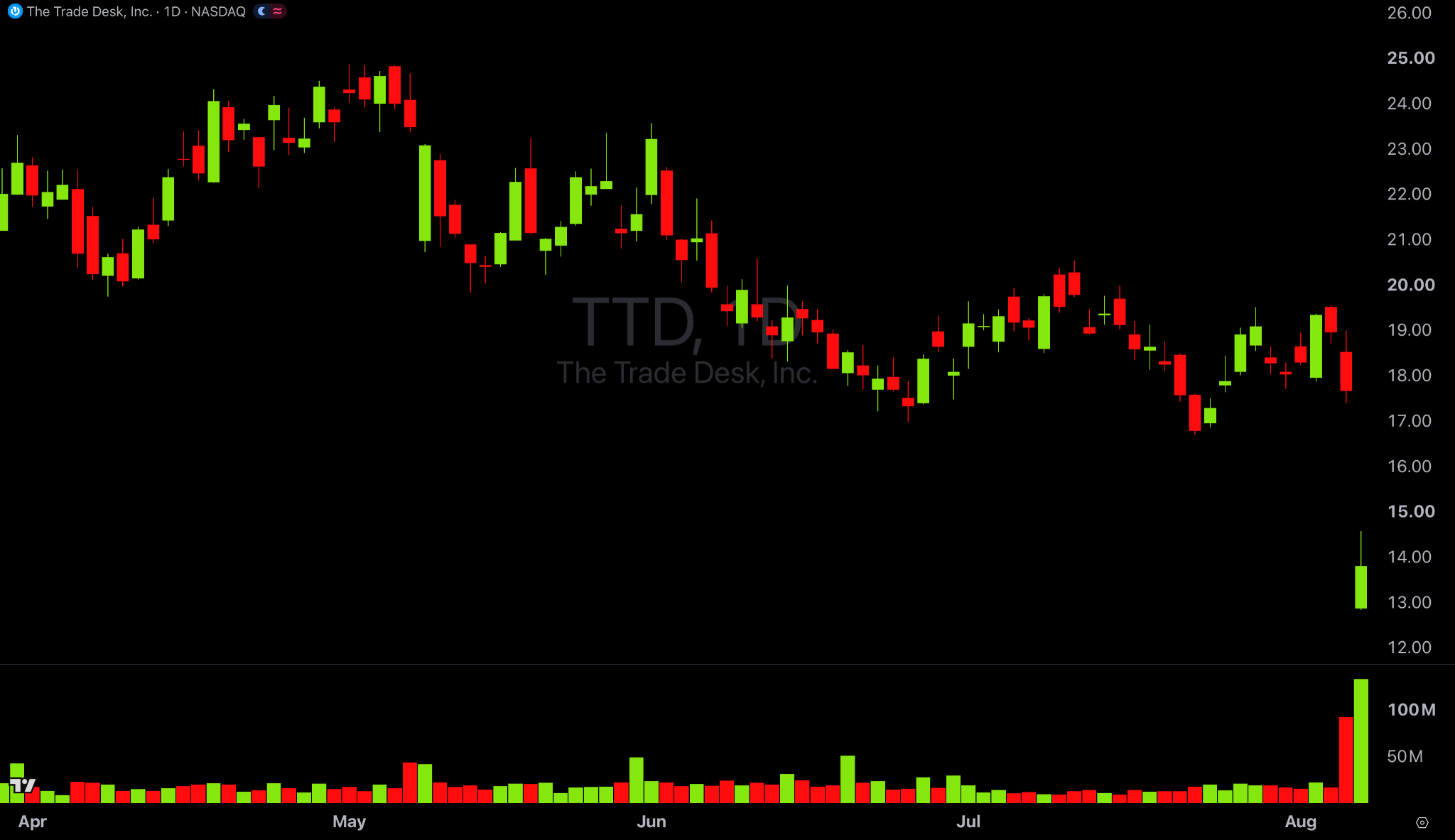
TTD down 25% after Q2 results showed only 3% revenue growth and weaker-than-expected forward guidance, raising concerns about slowing growth and monetization.
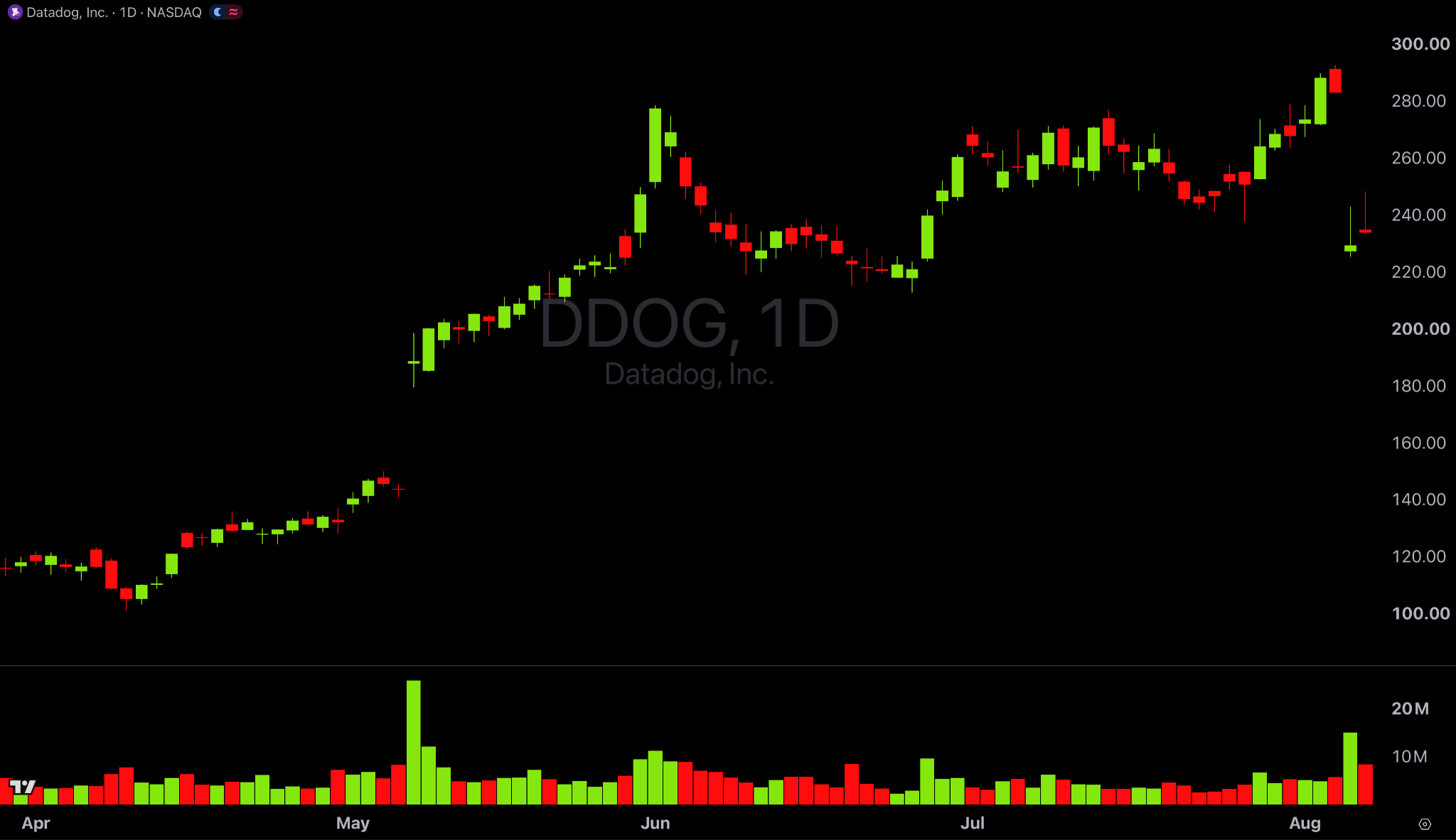
DDOG down 12% after its earnings report and forward guidance disappointed investors relative to elevated expectations.
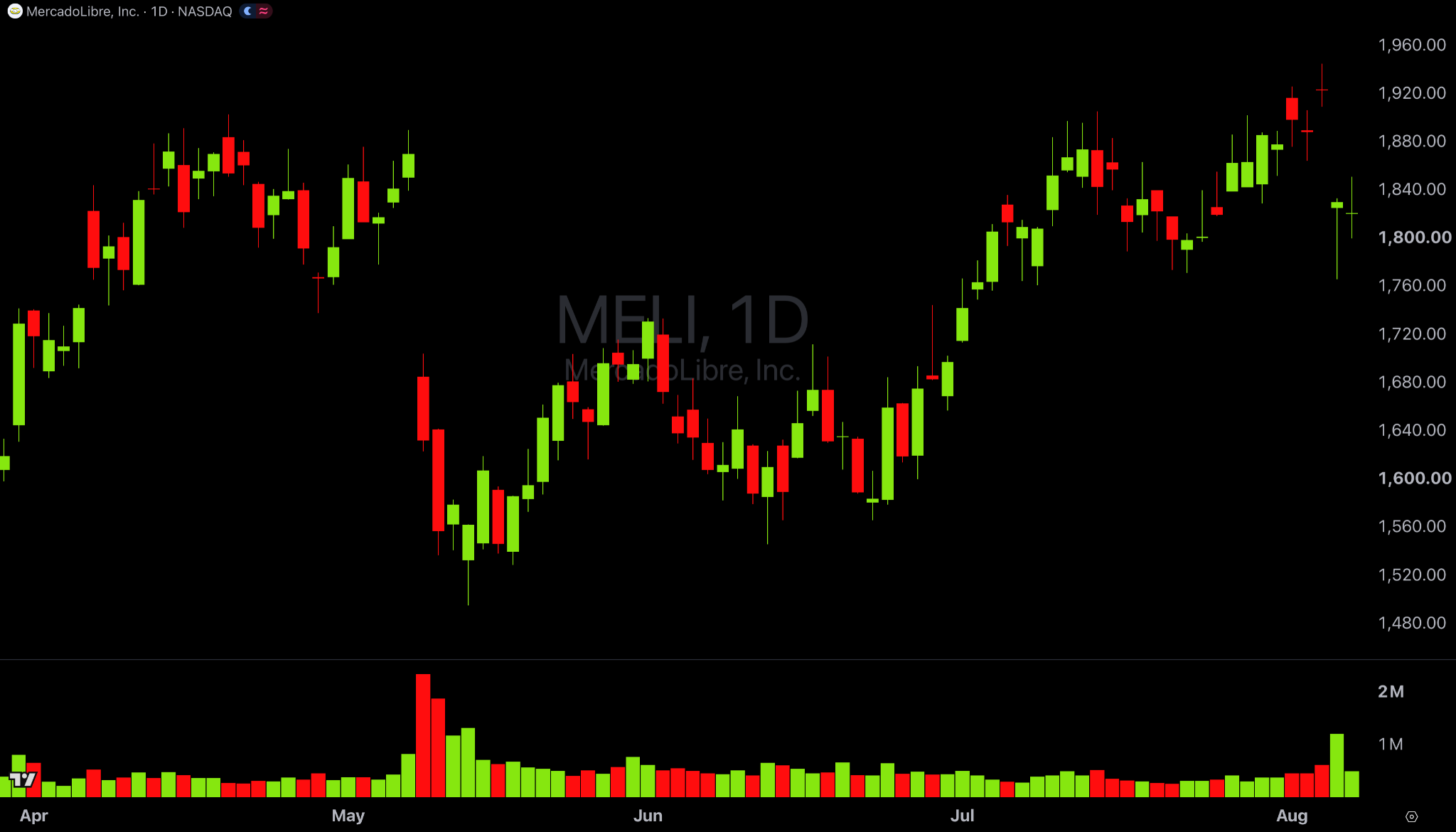
MELI down 4% after earnings as investors focused on margin and profitability trends despite continued solid revenue growth.
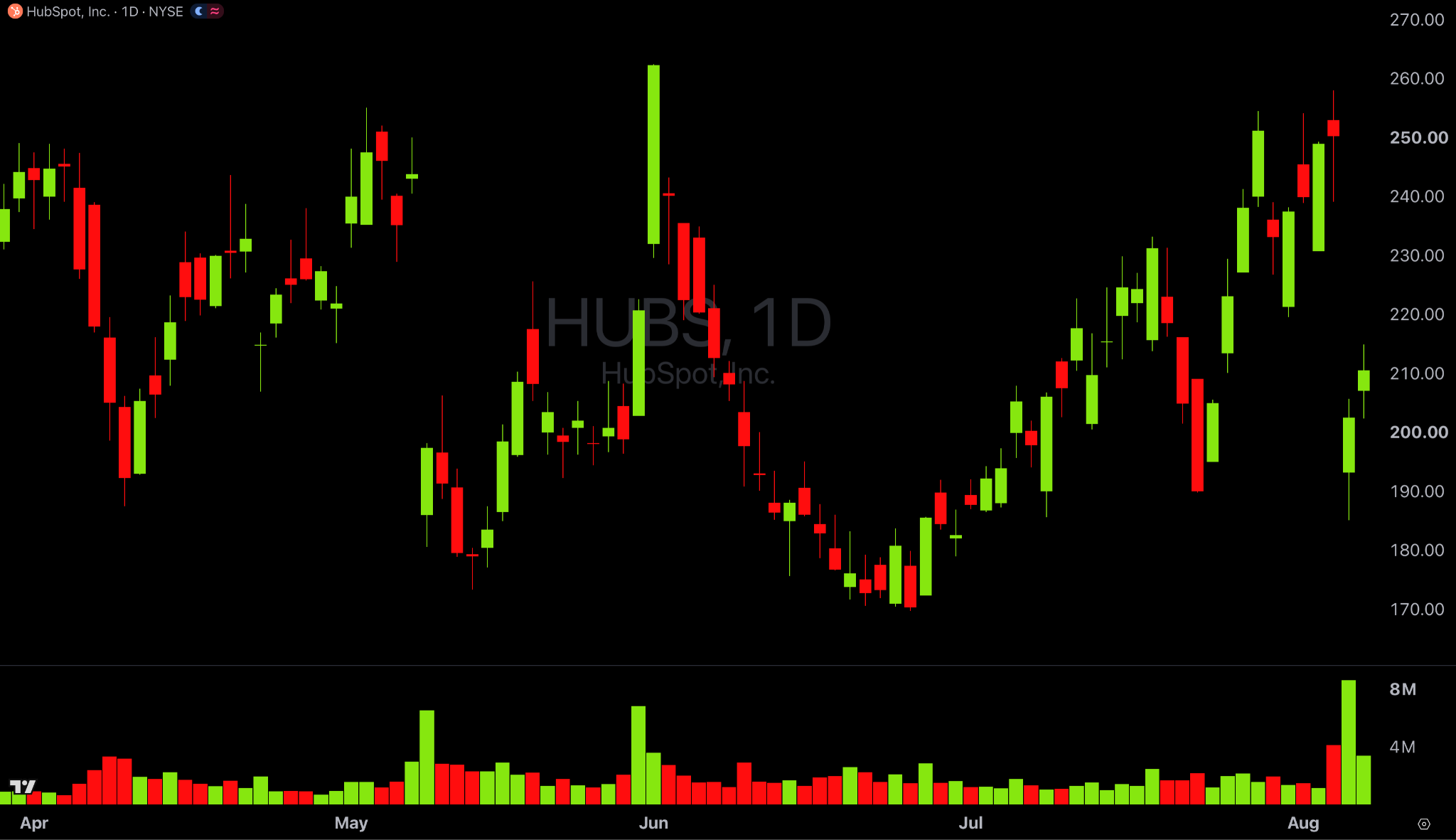
HUBS down 15% after issuing weaker-than-expected forward guidance despite beating quarterly estimates, raising concerns about moderating growth.
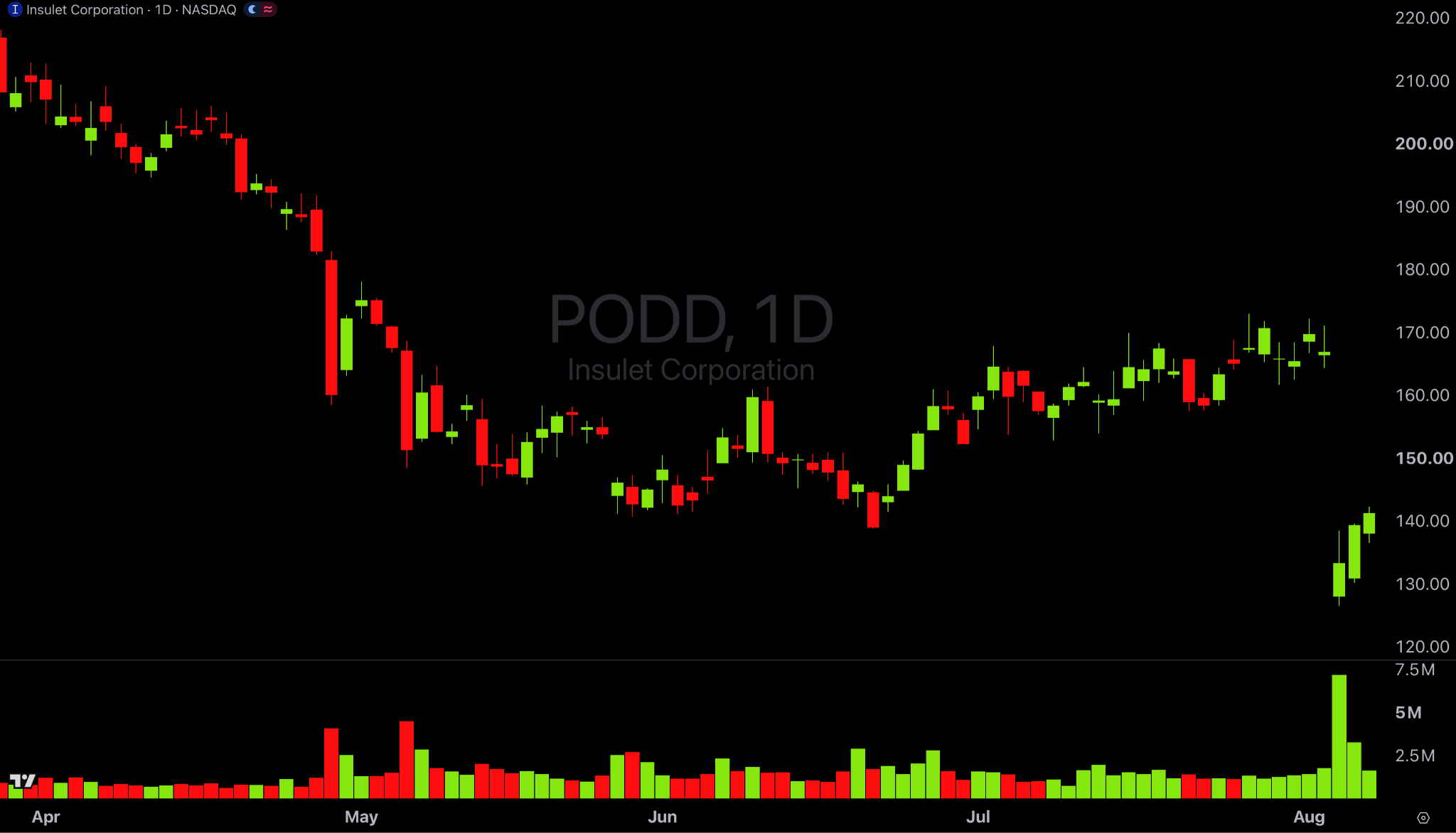
PODD down 17% after earnings disappointed investors with weaker-than-expected guidance despite an otherwise solid quarter.
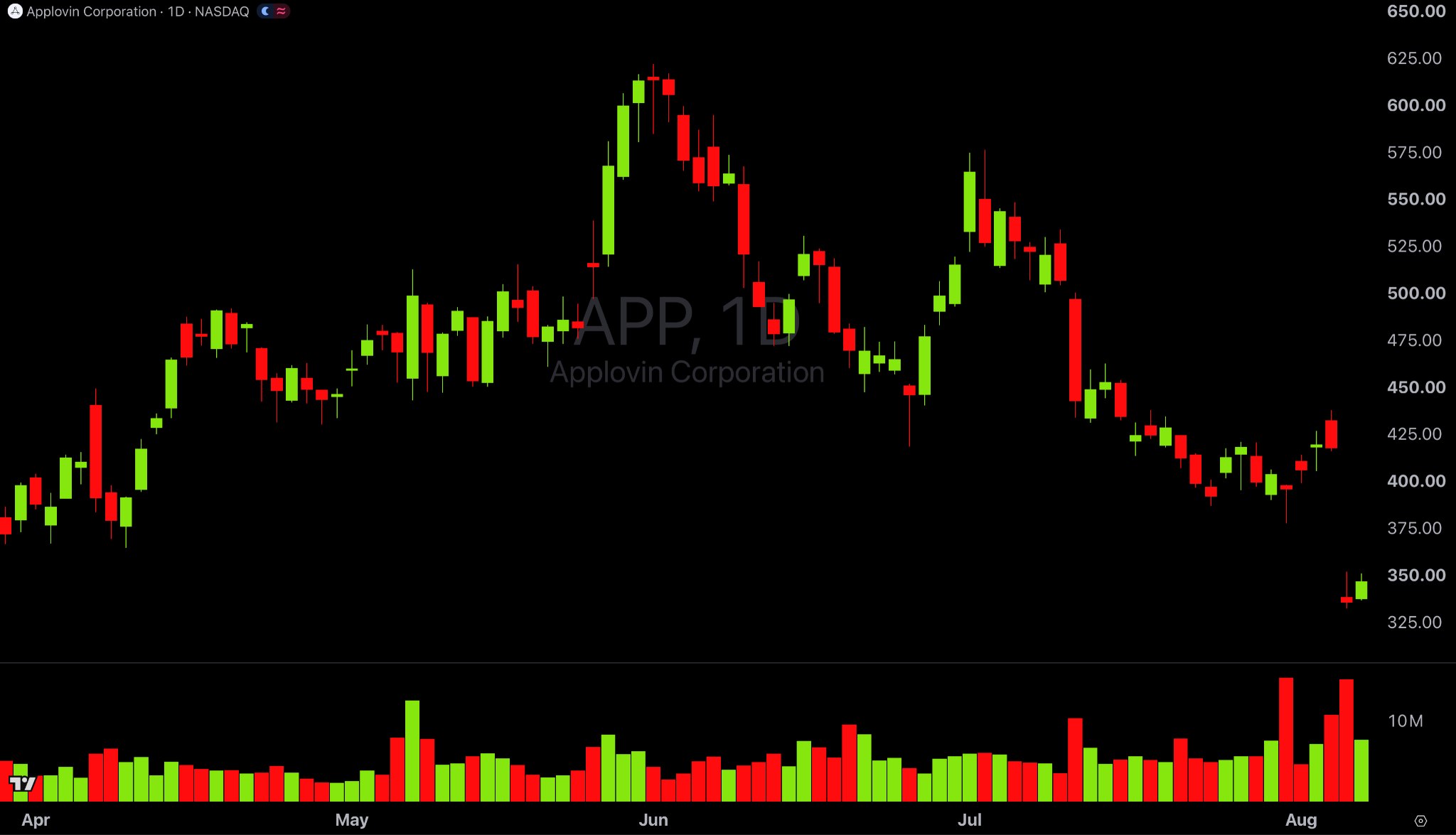
APP down 13% after posting a slight revenue miss and issuing Q3 guidance below elevated Wall Street expectations, with management citing slower AI model improvements.
ETF Spotlight
Some of the most notable EFTs in the market this week included:
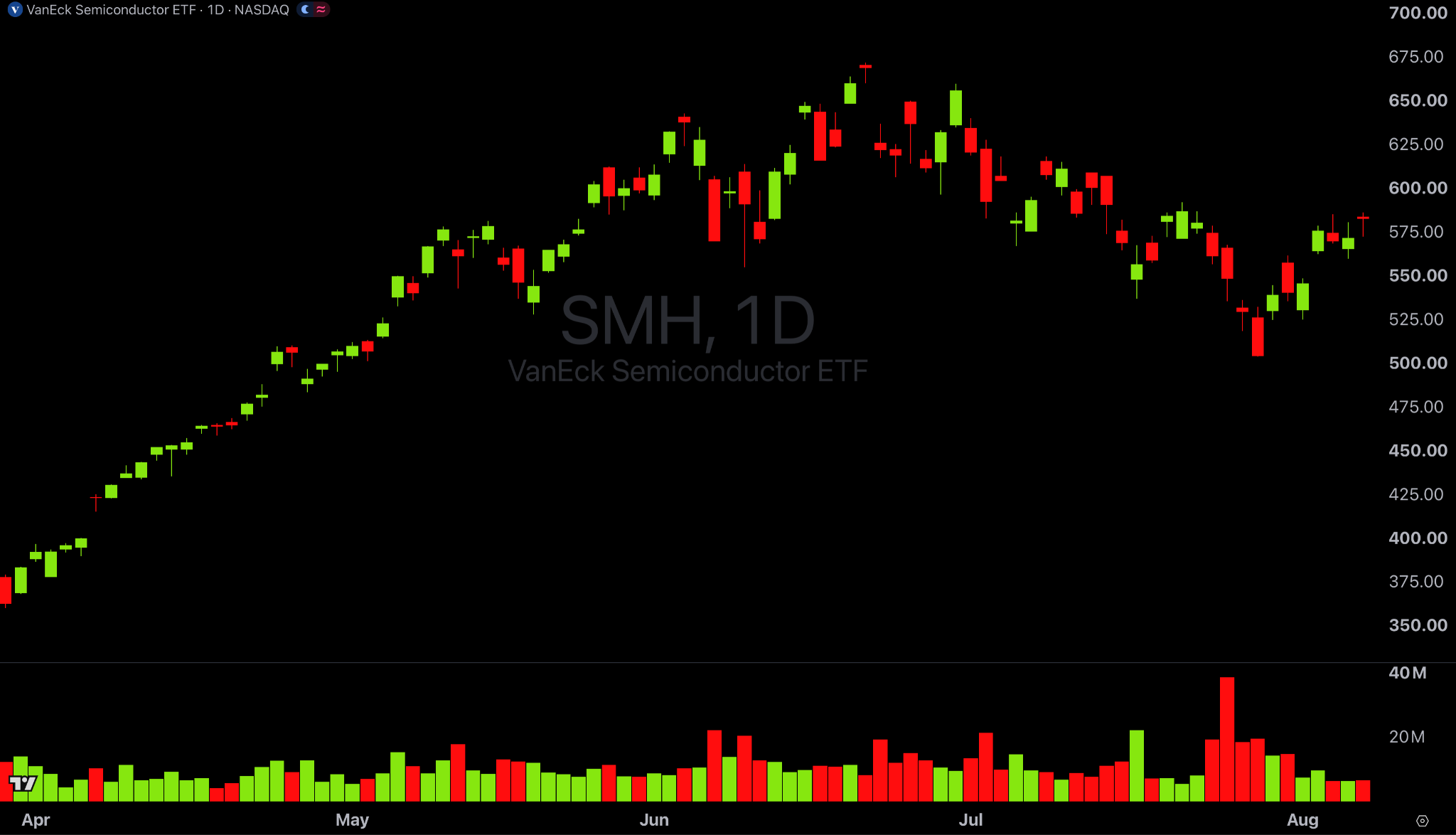
SMH: Semiconductor ETF that was heavily in play as AI chip names rallied, with the PHLX Semiconductor Index up roughly 9% this week.
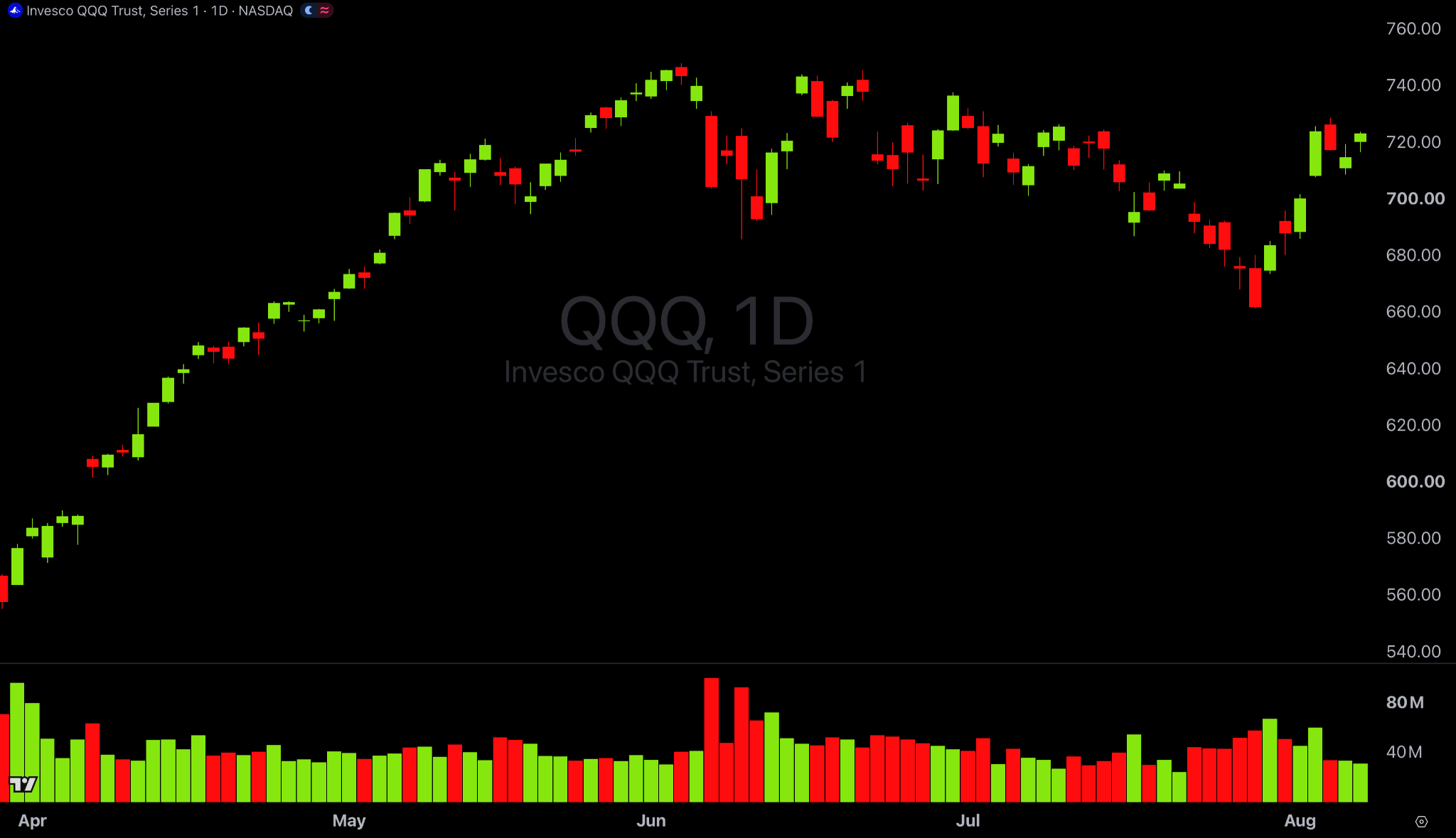
QQQ: Nasdaq-100 ETF that captured the week’s strong mega-cap tech and AI rally as technology led the broader market higher.
USO: Oil ETF that moved sharply lower as easing U.S.-Iran tensions and the possibility of renewed negotiations pressured crude prices.
GLD: Gold ETF that rallied as gold prices surged and investors sought safety amid falling Treasury yields and a weaker jobs report.
Market & Economic News
Trump stated early in the week that talks with Iran are ongoing and that the Strait of Hormuz could potentially open by Tuesday.
The U.S. Treasury raised its Q3 borrowing estimate to $739B.
The White House reportedly stated that it will not safety-test open-weight AI models.
Oil prices slid amid hopes of a U.S.-Iran deal for the Strait of Hormuz to reopen.
Gold surged to $4,300 on Wednesday as easing tensions in the Middle East and recent currency moves drive the metal higher.
Reports suggest that Trump is readying tariffs and price floor measures to boost U.S. polysilicon.
Trump signed a Section 232 action imposing a 15% ad valorem tariff on imports of polysilicon derivatives.
OpenAI is eyeing a 2027 hardware entry with a high-end smart speaker, according to Bloomberg.
A weak jobs report on Friday reduced the chances of an upcoming Fed interest rate hike.
Gold prices rose on Friday to nearly $4,400 on Dollar weakness.
Upcoming Earnings
Monday 8/10/26
RKLB, ASTS, CEVA, PLUG, QUBT, MNDY, HIMS, GCTS, GPRO, USAR, AAON, TNXP
Tuesday 8/11/26
SE, SMCI, CRWV, CAH, LITE, FLY, VG, CAVA, BGS, HUYA, FNV, RTX
Wednesday 8/12/26
NBIS, CSCO, ARCO, INFQ, CBRS, EAT, BETA, ENVX, AMCR, BSEM, WYFI, STAA
Thursday 8/13/26
MLCO, AMAT, FIGR, LUNR, GLOB, BEAT, AIT, PETS, JD, BLSH, SPRY, TMC, GEMI
Friday 8/14/26
OTLK, PAVM, LNZA, LFWD, ACXP, TMS, SIND, RMIX
Upcoming Economic Events & Data
Monday 8/10/26
CB Employment Trends Index
Tuesday 8/11/26
ADP Employment Change Weekly
Redbook
Existing Home Sales
Total Household Debt
3-Year Note Auction
Wednesday 8/12/26
Core Inflation Rate
Inflation Rate
CPI
EIA Crude Oil Stocks Change
10-Year Note Auction
Thursday 8/13/26
Fed Hammack Speech
PPI
Core PPI
Fed Barkin Speech
30-Year Bond Auction
Friday 8/14/26
Retail Sales
Michigan Consumer Sentiment
Michigan 5-Year Inflation Expectations
Baker Hughes Oil Rig Count